Trying to choose between a condo and a house on Marco Island? It is a common question, and here, the answer is about more than square footage. Your lifestyle, your comfort with maintenance, your budget, and your plans for boating or seasonal use all matter. If you understand how ownership works on this island, you can make a much clearer decision. Let’s dive in.
Why this choice matters on Marco Island
On Marco Island, water shapes daily life and real estate decisions. The city describes the island as a canal community, with boating, canal access, seawalls, and floodplain management all playing an important role in property ownership. You can review that local context through the City of Marco Island waterways and floodplain information.
That matters because every property on the island is in, on, or near a Special Flood Hazard Area. The city notes that AE and VE flood zones apply locally, and the current flood map effective date is February 8, 2024. Whether you buy a condo or a single-family home, flood zone, elevation, insurance, and storm preparation should all be part of your decision.
It is also important to know that regular homeowners insurance does not include flood insurance. Fannie Mae’s homeowner guidance makes that clear, which is why water-related costs should be part of your budget from the start.
What condo ownership offers
For many buyers, a condo offers a simpler ownership experience. That can be especially appealing if you plan to use the property seasonally, travel often, or want a more lock-and-leave setup.
Under Florida condominium law, associations are responsible for maintaining, repairing, and replacing common elements. The law also gives the association access rights to units when needed for maintenance or to prevent damage. In practical terms, that means you may have fewer day-to-day exterior responsibilities than you would with a detached home.
According to Fannie Mae’s condo buying guide, monthly condo fees often help cover exterior repairs, common areas, and sometimes water, sewer, trash, recreational amenities, insurance, or reserves. That can make budgeting feel more predictable in some communities, though the total fee varies widely.
The tradeoff is that condo dues are usually paid separately from your mortgage, and they can be significant. The Consumer Financial Protection Bureau notes that condo or HOA dues can range from a few hundred dollars to more than $1,000 per month.
Condo benefits to consider
If your priorities lean toward convenience, a condo may be the better fit. Buyers often choose condos on Marco Island for reasons like:
- Less hands-on exterior maintenance
- Easier seasonal or part-time ownership
- Amenity-focused living
- Potentially fewer routine property tasks while you are away
That kind of ownership can be especially attractive if you want to enjoy the island without managing as many moving parts yourself.
Condo tradeoffs to watch
A condo can simplify ownership, but it also comes with shared governance. Association rules, monthly fees, reserve funding, and possible special assessments should all be reviewed before you commit.
Fannie Mae’s HOA overview explains that boards collect fees, set community standards, and should direct part of those fees toward reserves. If reserves are limited, owners may face special assessments for major repairs or improvements.
You also need to understand what the association policy does not cover. Under Florida law, unit owners are still responsible for personal property and certain interior items, including appliances, cabinets, water heaters, floor coverings, and window treatments.
Condo due diligence on Marco Island
If you are considering a condo, document review is a big part of the buying process. On Marco Island, this is especially important because of coastal conditions, building age, and reserve planning.
Florida’s milestone inspection law requires certain condominium and cooperative buildings that are three stories or more to undergo inspections by specific age thresholds. Associations must also maintain structural integrity reserve studies and related records, as outlined in Florida condominium records requirements.
Before buying, ask for:
- The current association budget
- The latest reserve study
- Recent inspection summaries
- Condo rules and regulations
- Any information on pending or recent special assessments
Those records can tell you a lot about the building’s financial planning and upcoming ownership costs.
What a single-family home offers
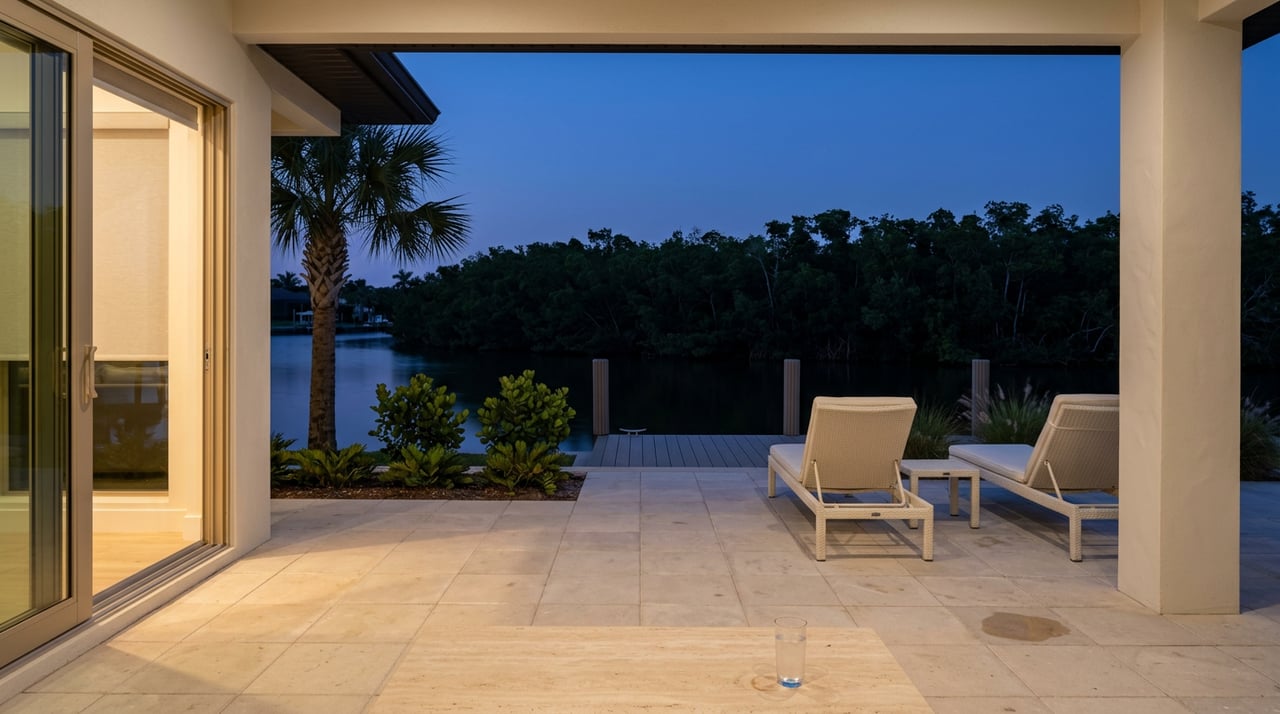
A single-family home usually appeals to buyers who want more privacy, more direct control, and more flexibility in how they use the property. On Marco Island, that can be especially important if your vision includes a yard, more living space, or a canal-front boating setup.
With a detached home, you are generally taking on more of the maintenance yourself. Fannie Mae’s maintenance guidance notes that routine upkeep is an essential part of homeownership and can help prevent more expensive issues over time.
That means your budget should account for regular maintenance, repairs, and long-term planning. Unlike condo ownership, where many building-related expenses are shared through dues, homeownership often puts those responsibilities directly on you.
Why buyers choose homes on Marco Island
A home may be the stronger fit if you value independence and outdoor living. Many buyers are drawn to single-family homes here because they want:
- More privacy
- More room inside and out
- Greater control over the property
- A private dock or backyard boating access
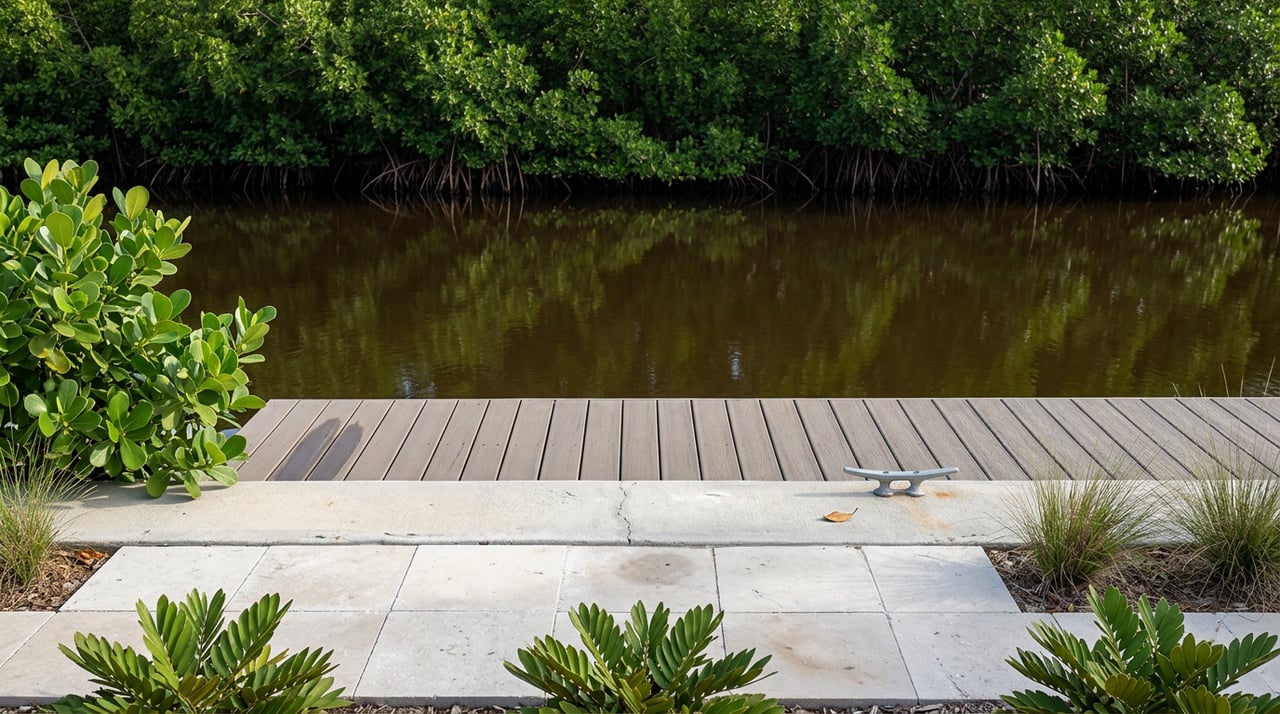
That last point is a major one on Marco Island. The city’s waterways committee describes the island’s canal system as a key part of local life, including the ability for many residents to keep boats at home and access the Gulf. You can explore that through the city’s waterway overview.
Flood, elevation, and insurance matter either way
No matter which property type you prefer, Marco Island buyers should pay close attention to flood-related details. This is not a side issue here. It is part of responsible ownership.
For homes, the city maintains elevation certificate records and flood information resources. Those documents can help you understand how a property relates to the current flood map and what additional verification may be needed.
If you are comparing a condo and a home, ask the same basic questions for each option:
- What flood zone applies to the address?
- What elevation information is available?
- What flood insurance may be needed?
- What storm preparation responsibilities come with ownership?
These answers can affect both your comfort level and your long-term costs.
How to match the property to your lifestyle
The best choice is often the one that fits how you actually plan to live on Marco Island. A condo and a home can both work well, but they support different ownership experiences.
Best for seasonal use
If you plan to spend part of the year on Marco Island and want a more convenient setup, a condo often makes sense. Because the association handles more of the exterior and common-area work, ownership can feel easier to manage from a distance.
Best for full-time living
If this will be your primary residence, either option can work. The decision often comes down to whether you prefer association-managed convenience or the space and control that come with a detached home.
If you are planning to make the property your permanent Florida residence, Collier County homestead information is also worth reviewing. The county explains eligibility requirements and notes that Save Our Homes can limit annual assessed-value increases on qualifying homesteads.
Best for boating goals
If boating is central to your lifestyle, a waterfront single-family home may be the most direct fit. Marco Island’s canal system gives many homeowners the ability to keep a boat on the property and head out toward the Gulf.
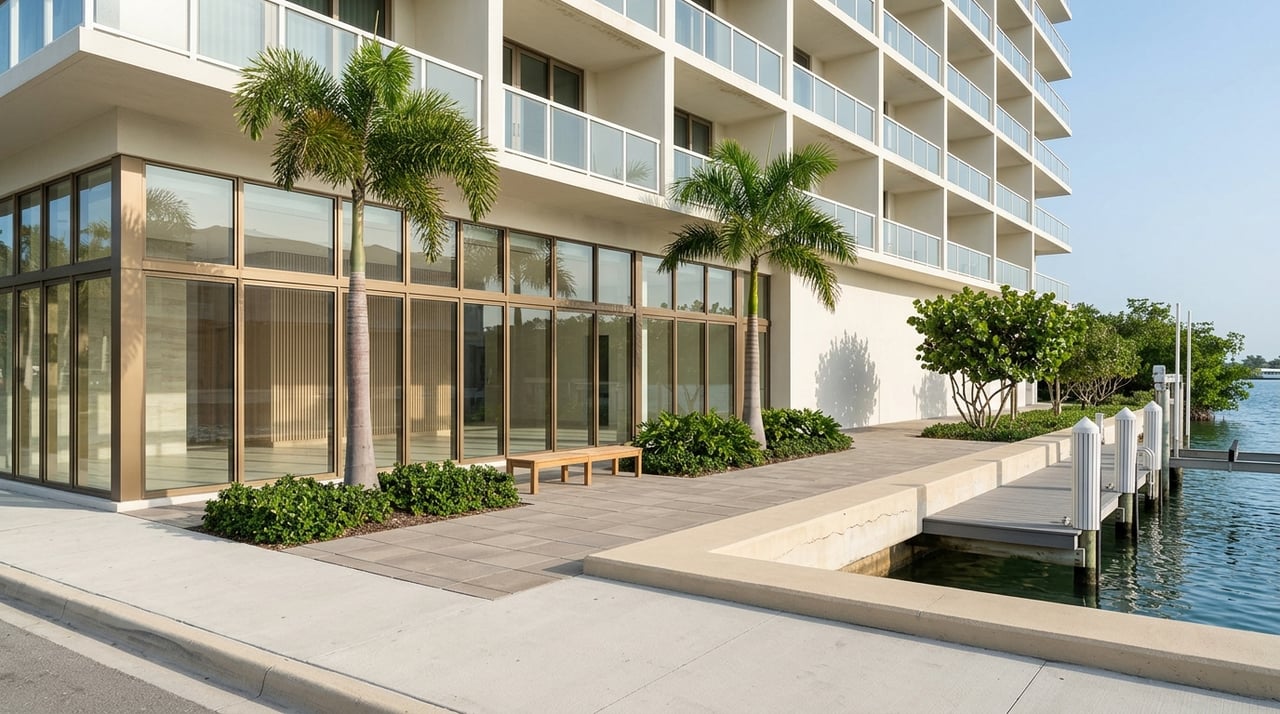
A condo may still work for boating, but you will need to verify whether the specific community offers slips, dock rights, or other access. That information should come directly from the association documents.
Best for budget planning
A true cost comparison should go beyond purchase price. To compare a condo and a home fairly, look at the full ownership picture:
- Mortgage payment
- Condo or HOA dues
- Flood insurance
- Routine maintenance
- Reserve funding
- Possible special assessments
This side-by-side view often makes the right choice easier to see.
A practical way to decide
If you are still unsure, start with your non-negotiables. Ask yourself whether you care more about convenience or control, whether you want boating from your backyard, and how comfortable you are with either monthly dues or hands-on maintenance.
Then review the property-specific details. On Marco Island, two homes with similar prices can feel very different once you account for fees, flood considerations, elevation, dock access, or association rules.
The goal is not simply to buy the right type of property. It is to buy the one that supports the way you want to live, visit, or invest on the island.
If you want help weighing condo living against a waterfront home, Jennifer Drake offers concierge-level guidance tailored to Marco Island buyers, including seasonal owners, full-time residents, and remote purchasers.
FAQs
What should you compare when choosing a condo or home on Marco Island?
- Compare purchase price, mortgage payment, condo or HOA dues, flood insurance, maintenance costs, reserve funding, and the possibility of special assessments.
What do Marco Island condo fees usually cover?
- Condo fees often cover common-area upkeep, exterior repairs, and sometimes utilities, amenities, insurance, or reserves, but the exact coverage depends on the association.
What condo documents should you review before buying on Marco Island?
- Ask for the current budget, reserve study, recent inspection summaries, condo rules, and any information about pending or recent special assessments.
Why do flood zones matter for Marco Island condos and homes?
- The city says every property on the island is in, on, or near a Special Flood Hazard Area, so flood zone, elevation, insurance, and storm planning can affect ownership costs and risk.
When is a single-family home the better fit on Marco Island?
- A home is often the better choice if you want more privacy, more control over the property, more outdoor space, or direct boating access from a private dock.