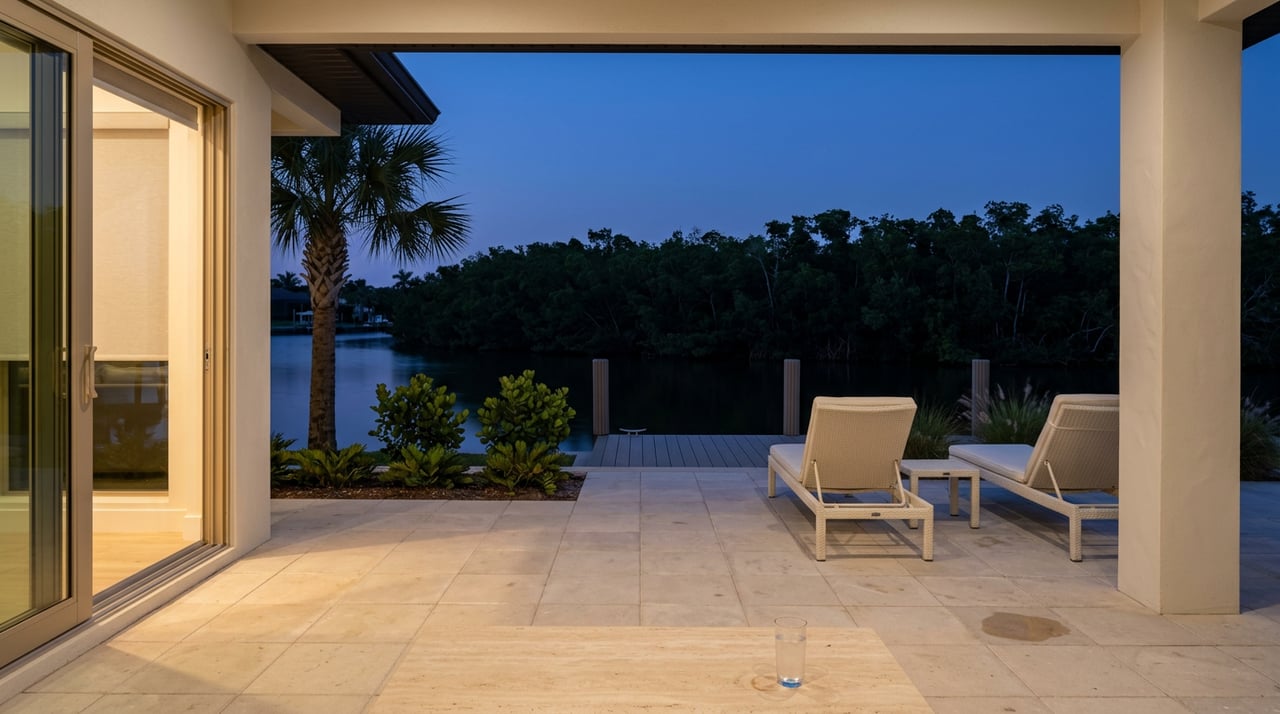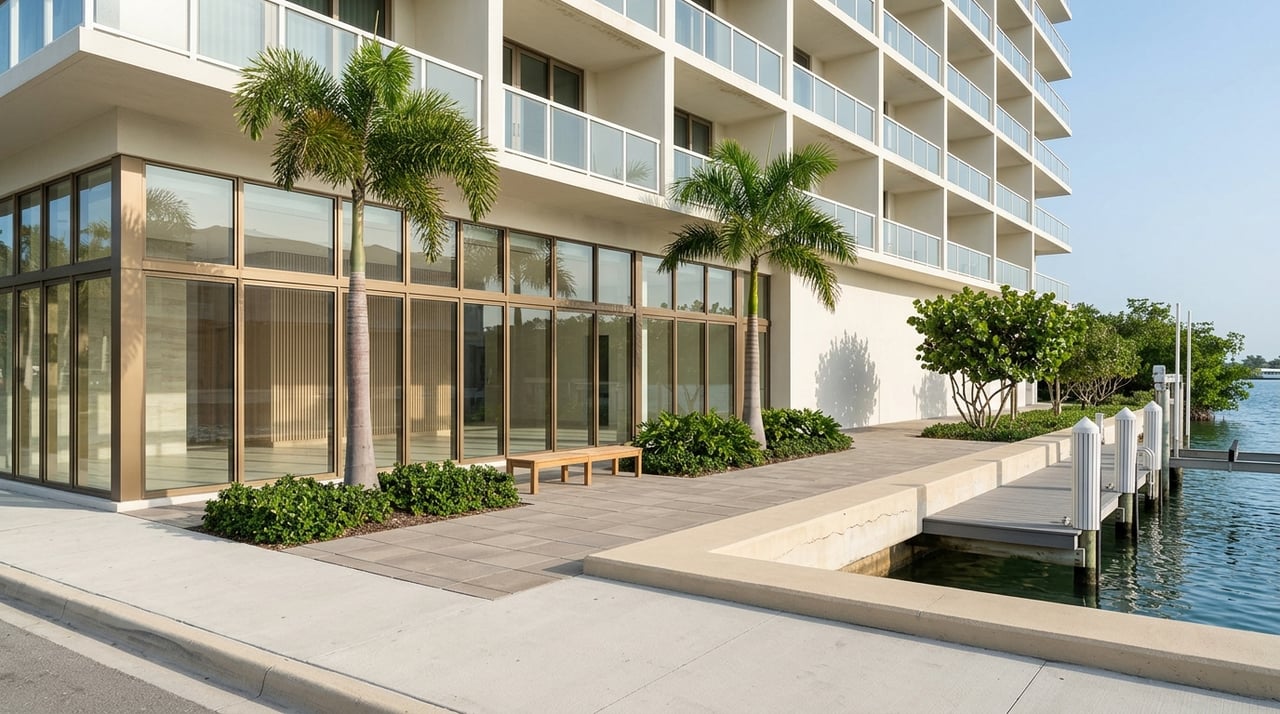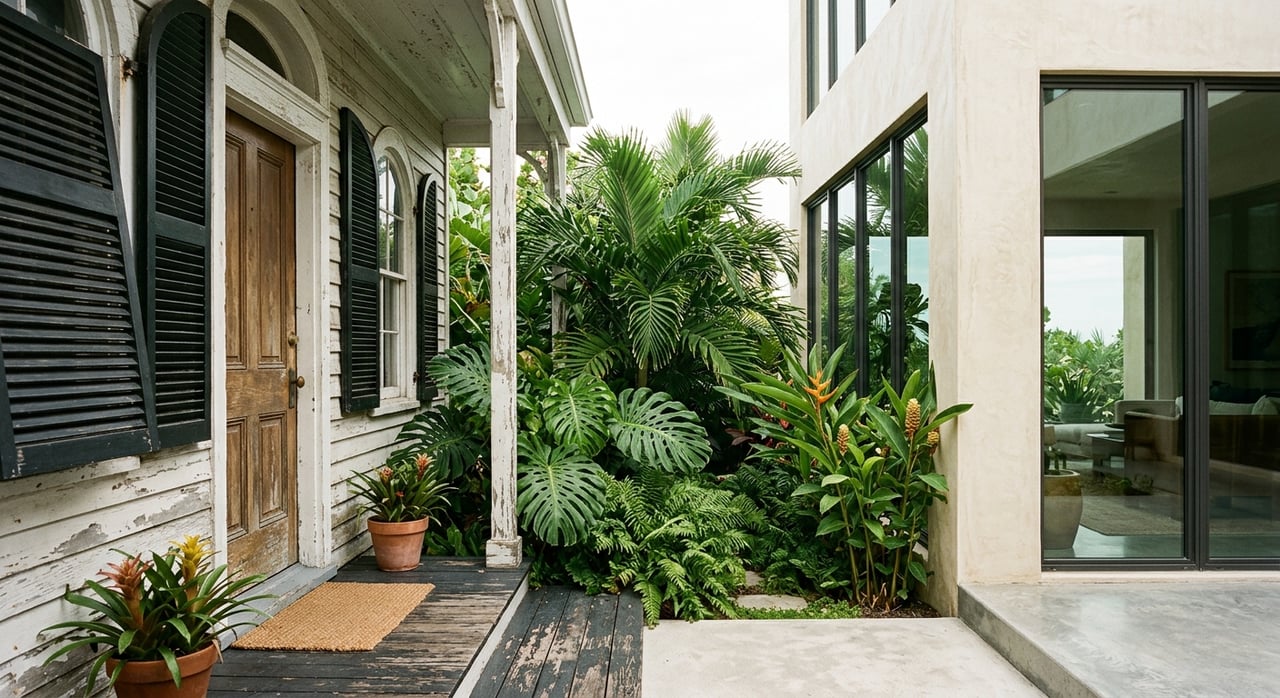
Shopping for a home on Marco Island often comes down to one big question: do you want the charm of Old Florida or the ease of newer construction? It is a very local decision here, because Marco Island blends a long coastal history with decades of modern development, all shaped by beach, water, wind, and floodplain rules. If you are weighing both options, this guide will help you compare character, upkeep, code considerations, and lifestyle fit so you can choose with more confidence. Let’s dive in.
Why This Choice Matters on Marco Island
Marco Island is not just any coastal market. The city describes the island as having six miles of beach and more than 100 miles of waterways, and its planning documents tie local character to history, architecture, landscaping, and the natural environment.
That context helps explain why the comparison between older homes and new construction feels so meaningful here. Marco Island has legacy places like Old Marco Inn, Doxsee Quarters, the W. D. Collier, Jr. House, and Capt. John Horr's House, while also reflecting the large-scale modern buildout that began in 1962 under the Mackle Brothers.
What Old Florida Means Here
On Marco Island, “Old Florida” usually refers to a style shaped by climate before air conditioning became the center of home design. Florida vernacular and Cracker-influenced homes often used wide verandas, lots of windows for breezes, and roof features like cupolas and clerestories to release heat.
In real life, that often creates a porch-first feeling. You may notice more shaded transitions, more connection between inside and outside, and a home that feels designed around breezes and outdoor living rather than only around large conditioned interior space.
On Marco Island, Old Florida can include both earlier properties in Old Marco and later homes from the post-1962 era that still lean into that relaxed coastal rhythm. The city notes that the Mackle Brothers' development excluded the Old Marco and Highlands area, which helps explain why some parts of the island still feel visually distinct from newer sections.
What New Construction Offers
New construction on Marco Island reflects today’s building standards and local permitting requirements. Florida’s current code is the 8th Edition (2023), effective December 31, 2023, and state law requires new homes to account for envelope characteristics, HVAC selection and performance, and water-heating design.
The law also requires ceiling insulation of at least R-19 where space permits. In addition, Florida wind provisions require glazed openings in wind-borne debris regions to be protected against debris, which is especially relevant in a coastal setting like Marco Island.
Marco Island also adds a local floodplain review layer. The city says every property on the island is in, on, or near a Special Flood Hazard Area, and all structures are subject to floodplain review during permitting.
That means newer homes often appeal to buyers who want a more code-forward property with stronger storm-opening protection and more predictable flood-compliance documentation. It does not guarantee a home will be maintenance-free, but it can reduce the number of immediate unknowns.
Old Florida Homes: Pros to Consider
Older homes can offer something that is hard to replicate: personality. If you love architectural details, shaded porches, and a home that feels connected to Marco Island’s past, an older property may speak to you right away.
These homes can also support the kind of indoor-outdoor living many buyers want in Southwest Florida. Features inspired by passive cooling, like deep overhangs and breezy layouts, can create a relaxed feel that fits island living beautifully.
For some buyers, there is also value in visual distinction. In a market where many properties share newer design trends, an older home can stand out for its setting, shape, and sense of place.
Old Florida Homes: Tradeoffs to Expect
Older homes usually ask more of you as an owner. On a barrier island, salt, moisture, and flood exposure can affect long-term upkeep, and the city’s floodplain materials specifically call out corrosion protection for metal connectors in coastal areas and breakaway-wall guidance for elevated coastal buildings.
Documentation can also be less straightforward. The city notes that structures built before 1999 may not have an elevation certificate on record if they have not had qualifying work since then, which makes due diligence especially important.
If a home has had major work, you will also want to understand whether that work triggered current floodplain or code requirements. That can affect both your renovation plans and your near-term costs.
New Construction: Pros to Consider
Newer homes often win on predictability. If you are buying from out of town, planning a second-home purchase, or simply want fewer immediate projects, newer construction can offer a smoother starting point.
You may also appreciate features shaped by current code, such as protected glazed openings and insulation standards tied to modern efficiency rules. In a coastal market, buyers often like having more current documentation and a clearer picture of how the home was permitted.
Lifestyle matters too. If you prefer a move-in-ready feel, easier upkeep, and fewer early retrofit decisions, new construction may line up better with the way you want to use the property.
New Construction: Tradeoffs to Expect
New construction is not always the automatic winner. Some newer homes prioritize conditioned interior space in ways that can feel less porch-centered or less rooted in the passive-cooling traditions that defined classic Florida design.
That means you may gain efficiency and code alignment while giving up some character or architectural warmth. For buyers who care deeply about history, setting, and lived-in coastal charm, that tradeoff matters.
It is also worth remembering that “new” does not replace careful review. You still want to evaluate materials, layout, flood zone, and how the home fits your long-term goals on Marco Island.
Floodplain Rules Affect Both Choices
No matter which direction you lean, floodplain review should be part of your decision. Marco Island says every property on the island is in, on, or near a Special Flood Hazard Area, and the current Flood Insurance Rate Map effective date is 02/08/2024.
The city also notes that AE and VE zones apply locally. Below-required-elevation materials must be flood-resistant, and major work or damage can trigger the FEMA 50 percent substantial improvement or substantial damage rule.
For you as a buyer, that means older and newer homes should both be reviewed through a floodplain lens. The difference is often how complete and current the documentation is, not whether the issue matters.
Questions to Ask Before You Buy
Whether you are drawn to Old Florida charm or new construction convenience, a few smart questions can help you compare homes more clearly:
- What year was the home built?
- Has the home had a major renovation?
- Is there an elevation certificate on file?
- Is the property in an AE or VE flood zone?
- Are windows, doors, and garage openings impact-protected?
- Has the home had substantial improvement work that could trigger current-code compliance?
These questions can help you move beyond surface appeal. They also make it easier to compare two homes that may look similar online but carry very different ownership considerations.
Which Home Style Fits You Best?
If you value character, shaded porches, and a slower indoor-outdoor rhythm, an Old Florida home may feel more emotionally right. You may be buying a piece of Marco Island’s story, not just square footage.
If you want efficiency, easier upkeep, and a more straightforward path from closing to enjoying the home, new construction may be the better fit. That can be especially appealing for seasonal owners, remote buyers, and anyone who wants fewer near-term projects.
In the end, this is less about which option is “better” and more about which option fits the way you want to live. On Marco Island, the right answer often comes down to how you balance charm, maintenance, documentation, and peace of mind.
If you want help comparing older homes and new construction on Marco Island, Jennifer Drake can guide you through the details and help you find the right fit for your lifestyle and goals.
FAQs
What is an Old Florida home on Marco Island?
- On Marco Island, Old Florida usually refers to homes influenced by Florida vernacular design, often with wide porches, lots of windows for breezes, and a stronger indoor-outdoor feel.
Are newer homes on Marco Island built to different standards?
- Yes. New homes are generally built under Florida’s current 8th Edition (2023) code and must account for items like insulation, HVAC performance, and protected glazed openings in wind-borne debris regions.
Do older Marco Island homes need more maintenance?
- Often, yes. Older homes may require more attention due to coastal exposure, moisture, salt air, and flood-related documentation or upgrade questions.
Why does flood zone matter when buying on Marco Island?
- Flood zone matters because the city says every property on the island is in, on, or near a Special Flood Hazard Area, and AE and VE zones apply locally during floodplain review.
Should you ask for an elevation certificate on a Marco Island home?
- Yes. An elevation certificate can be an important document, especially on older homes, and the city notes that some structures built before 1999 may not have one on record if they have not had qualifying work since then.
Is new construction always the better choice on Marco Island?
- Not always. New construction may offer easier upkeep and more current code alignment, while older homes may offer more character, shaded outdoor living, and a stronger connection to Marco Island’s historic feel.