If you are eyeing Marco Island as a vacation rental investment, the big question is usually not whether short-term rentals exist here. It is whether a specific property fits your goals, your management style, and the local rules that shape day-to-day ownership. If you want a clearer picture before you buy, this guide will walk you through demand patterns, property types, licensing, taxes, and the practical details that matter most. Let’s dive in.
Why Marco Island Gets Investor Attention
Marco Island sits within a tourism-driven part of Collier County, and that matters if you are buying with rental income in mind. County planning documents show a strong seasonal pattern, with winter tourism running strongest from November through April.
That seasonality is backed up by county data. Collier County reported a 4.6% increase in visitors, a 10.3% increase in tourist-tax revenues, and record bed-tax collections of $48.6 million in its FY2024 materials. The county also estimated peak-season population well above its permanent population, which shows how much winter demand can change the market.
For you as an investor, that means your numbers should reflect a resort-style pattern rather than a flat year-round model. Stronger winter demand may support better peak-season performance, while shoulder months and off-season periods still need realistic pricing and healthy cash reserves.
Seasonality Should Shape Your Underwriting
One of the easiest mistakes in a vacation rental purchase is assuming every month will perform the same way. On Marco Island, the research points in the opposite direction.
Collier County specifically identifies winter as the strongest tourism season. If you are reviewing projected income, you should pressure-test it against that reality and make sure your estimates do not lean too heavily on summer or slower periods.
A more practical way to think about underwriting is this:
- Expect winter to do the heavy lifting
- Treat shoulder months conservatively
- Build reserves for maintenance, vacancy, and operating interruptions
- Plan for active management, not passive ownership
That last point matters more than many buyers expect. A Marco Island vacation rental can be rewarding, but it usually works best when the owner treats it like a real hospitality business.
Condos vs. Homes on Marco Island
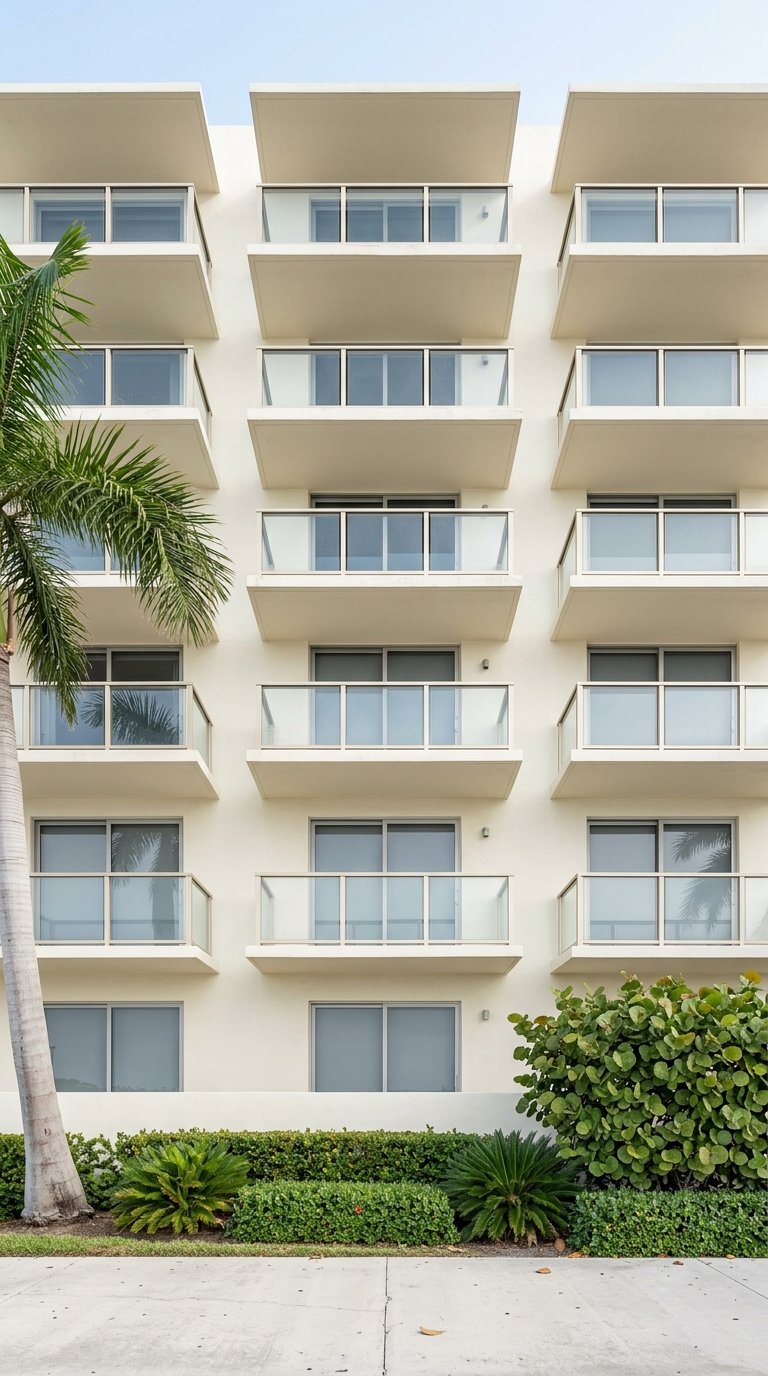
Marco Island’s housing stock includes a large number of multifamily units alongside single-family homes. City planning data estimated 7,457 single-family units and 11,263 multifamily units in the 2014 to 2018 period, which helps explain why condos are such a visible part of the local market.
From a vacation rental perspective, both condos and single-family homes can fit. Florida law defines vacation rentals to include certain condominium units, cooperative units, and individually or collectively owned one- to four-family dwellings that operate as transient public lodging establishments.
Why condos appeal to many investors
Condos often appeal to second-home buyers and remote investors because they can feel more turnkey from a maintenance standpoint. If you want a lock-and-leave setup or you live out of state, that lower-hassle ownership style may be attractive.
The trade-off is that condo ownership often comes with more association oversight. That means the building or association documents may have a major impact on whether the property works for short-term rental use.
Why single-family homes appeal to others
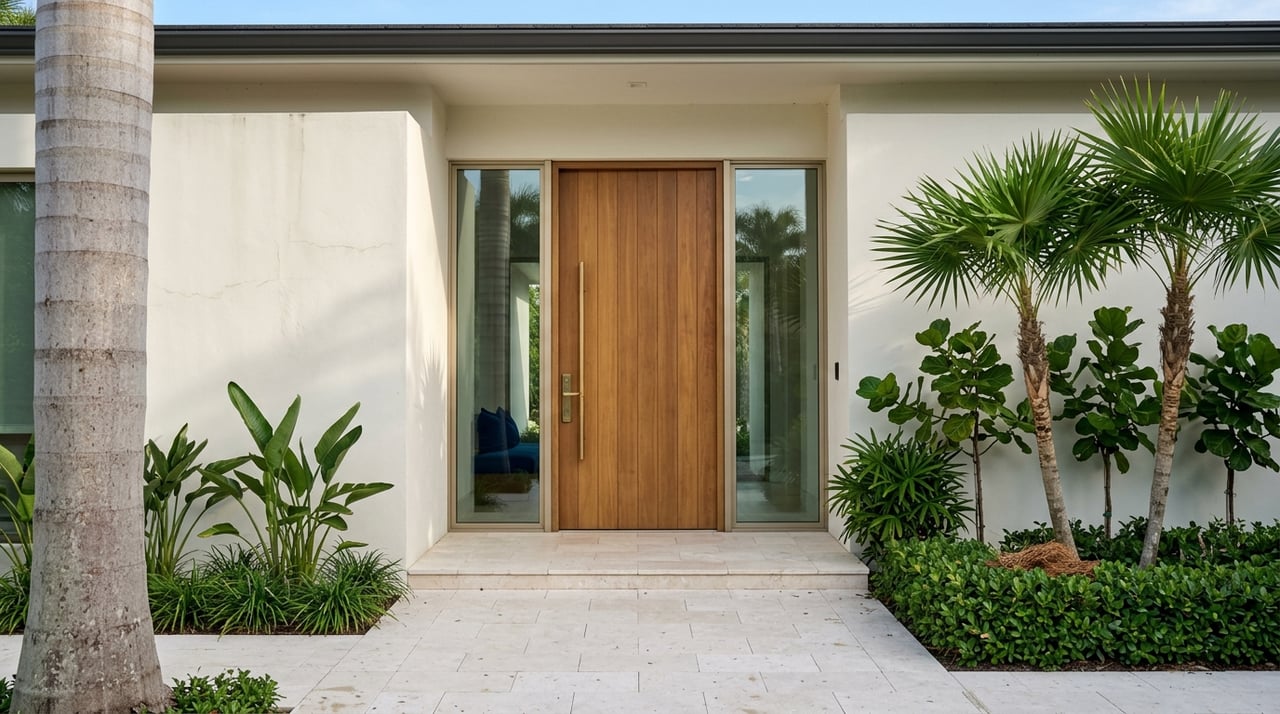
Single-family homes can offer more control over layout, amenities, and the guest experience. If your strategy depends on private outdoor space, parking flexibility, or a particular home setup, this property type may better match your goals.
At the same time, a home may require more hands-on coordination. Noise, trash, parking, and maintenance response can become more visible issues when guests are staying in a neighborhood setting.
The Real Question: What Does This Property Allow?
This is where many investors need to slow down. On Marco Island, the answer is often property-specific.
The city’s current owner guidance states that Marco Island no longer has a vacation-rental registration process because Resolution 23-54 nullified Ordinance 22-08. The city also says it does not restrict the duration or frequency of vacation-rental stays in single-family homes.
Florida Statute 509.032 similarly states that local governments may not prohibit vacation rentals or regulate their rental duration or frequency, although they may still inspect for compliance with the Florida Building Code and Fire Prevention Code.
That sounds simple on the surface, but the next layer is critical. The city also states that associations may create and enforce their own covenants and restrictions, which means condo and HOA rules often become the real gatekeeper for investors.
What to Review Before You Buy
Before you underwrite income or move toward closing, review the association package carefully. You want the actual written rules, not a summary from a listing or a verbal answer.
Ask for these items:
- Declaration
- Bylaws
- Rules and regulations
- Amendments
- Any written rental policy
Then confirm the details that can affect your investment plan:
- Minimum lease term
- Rental-count limits
- Approval or waiting periods
- Guest registration requirements
- Parking rules
- Pet rules
- Amenity access for guests
- Fine policies
- Whether self-management is allowed
For many investors, these documents matter more than broad discussions about whether short-term rentals are allowed in Florida. A property can look perfect online and still miss the mark if the association rules do not fit your business plan.
Licensing and Tax Basics to Verify
Even without a city registration process, the compliance side still matters. If you plan to rent the property, you should confirm licensing and tax setup early.
According to DBPR guidance, a license is required if you rent an entire unit more than three times in a calendar year for periods shorter than 30 days, or if the property is advertised as regularly rented. Florida licenses these properties as either a vacation rental-condominium or a vacation rental-dwelling, depending on the property type.
You should also verify tax registration requirements. The Florida Department of Revenue says short-term living accommodations must be registered for sales tax collection, and Collier County requires tourist-tax registration for short-term rentals.
On the county side, Collier County’s tourist development tax is 5%. The Florida Department of Revenue’s current surtax table shows Collier County at 0.00% discretionary surtax.
City Rules Still Matter for Operations
Even when rental duration is not restricted by the city for single-family homes, that does not mean you can ignore local operating standards. The city states that noise ordinances apply to single-family homes whether or not they are used as vacation rentals.
That is important because guest behavior can affect both your reviews and your ownership experience. The city’s FAQ notes that police can issue citations for noise violations, so clear guest communication and local oversight are not optional extras.
In practical terms, a well-run vacation rental should have:
- Clear house rules
- Fast guest communication
- Reliable cleaning between stays
- A local contact for issues
- A plan for trash, parking, and maintenance
If you live outside Southwest Florida, this piece becomes even more important. A strong local support network can help protect both the property and your guest experience.
Why the Guest Experience Affects Returns
Marco Island is a destination market, and guest expectations tend to reflect that. Visitors are coming for a coastal stay, and the area’s tourism infrastructure supports that experience.
Collier County notes that tourist-tax dollars help fund beach renourishment and beach park facilities. The county also describes the Marco Island Executive Airport as a service point for tourists and residents, which reinforces the market’s role as a travel-friendly destination.
For you, that means the standard for upkeep is high. Cleanliness, responsiveness, condition, and ease of arrival all play into reviews, repeat bookings, and the overall value of the investment.
A Smart Investor Mindset for Marco Island
The best Marco Island vacation rental buyers usually start with a simple mindset: buy the right property, then verify every rule that affects how you plan to use it. That is more effective than starting with broad assumptions about the market.
In this area, success often comes from matching the property to your ownership style. A condo may suit you if you want a lower-maintenance setup and predictable building structure. A single-family home may suit you if guest layout, privacy, or amenities are central to your strategy.
Either way, your due diligence should focus on three things:
- Property-specific rental restrictions
- Correct licensing and tax setup
- A realistic operating plan built around winter seasonality
If you are buying from out of town, having a local advisor can make that process much smoother. You need someone who understands not just Marco Island pricing, but also the association landscape, property differences, and the practical side of getting a vacation rental ready to perform.
If you are considering an investment property on Marco Island and want help evaluating condos, waterfront homes, or rental-friendly options, Jennifer Drake offers concierge-level local guidance tailored to your goals.
FAQs
What makes Marco Island different from a year-round rental market?
- Collier County data points to a seasonal pattern, with winter tourism strongest from November through April, so many investors build projections around stronger winter demand and more conservative off-season assumptions.
Do Marco Island single-family homes have city limits on rental duration?
- The city’s current owner guidance says Marco Island does not restrict the duration or frequency of vacation-rental stays in single-family homes.
Do Marco Island condo associations control vacation rental rules?
- Yes. The city states that associations may create and enforce their own covenants and restrictions, so condo and HOA documents often determine what is actually allowed.
What license may a Marco Island vacation rental need?
- DBPR states that a license is required if an entire unit is rented more than three times in a calendar year for periods shorter than 30 days, or if it is advertised as regularly rented.
What taxes should a Marco Island vacation rental investor verify?
- You should verify Florida sales tax registration for short-term living accommodations and Collier County tourist-tax registration, with Collier County’s tourist development tax listed at 5%.
What should you review before buying a Marco Island rental property?
- Review the declaration, bylaws, rules, amendments, and any written rental policy, then confirm lease terms, rental limits, approvals, parking, pets, amenity access, fines, and management rules.