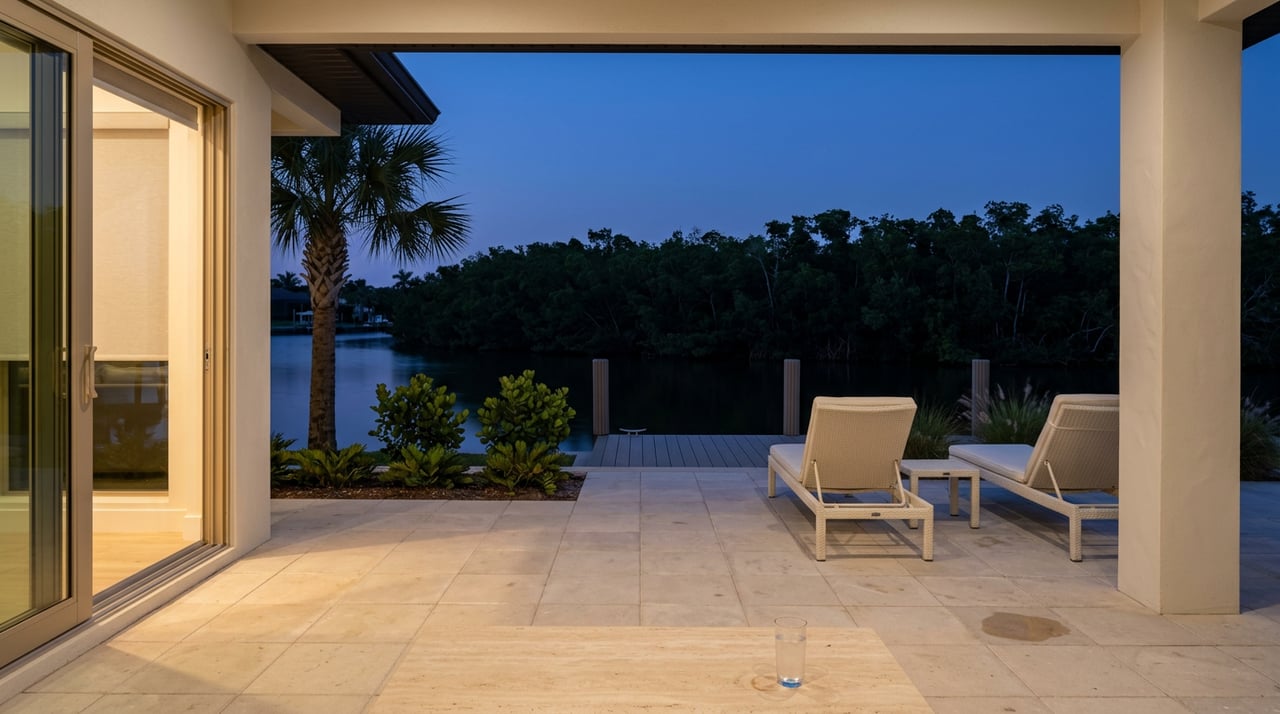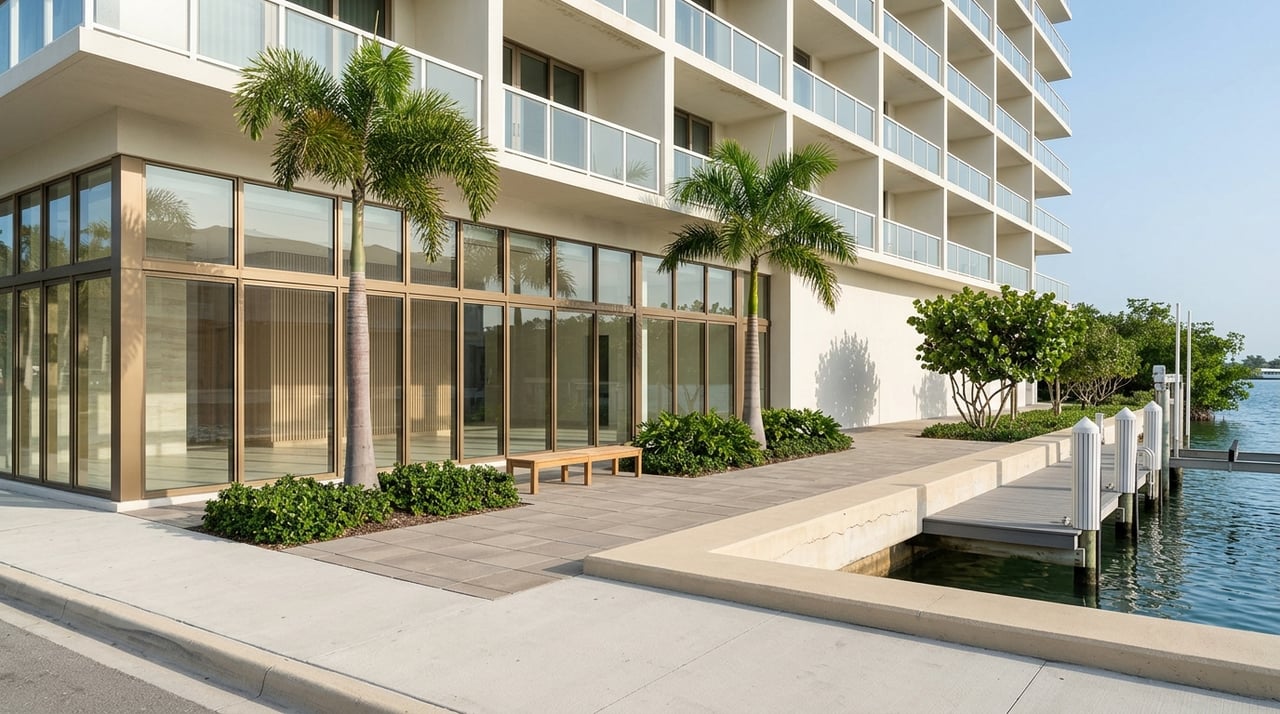
Staring at two gorgeous Gulf views and wondering which building is the smarter buy? On Marco Island, beachfront towers can look similar from the sand, yet differ a lot behind the scenes in structure, insurance, flood risk, beach rights, and rental rules. You want a place that fits your lifestyle and protects your investment. This guide gives you a simple, side‑by‑side way to compare beach condo buildings so you can move forward with confidence. Let’s dive in.
First, know the Marco Island context
Most Marco Island beach condo buildings were developed between the 1960s and 1990s. Building age affects hurricane code updates, required inspections, reserves, and insurance costs. Older coastal concrete needs consistent maintenance, and new Florida laws require formal inspections and reserve planning that can lead to special assessments if a building is behind.
Beach access varies. Some buildings have deeded or association‑controlled frontage, while others rely on nearby public access like Tigertail Beach or South Beach. Before you buy, confirm whether the building’s beach is private, deeded, controlled by a master association, or public. The City’s page on Marco Island beach access explains public entry points and resident passes.
Flood maps changed recently. Collier County adopted updated digital flood insurance rate maps effective February 8, 2024. Those designations can change lender requirements and insurance pricing, so check the County’s Floodplain Management resource early.
Short‑term rental rules are nuanced. The City of Marco Island reports there is currently no active municipal vacation‑rental registration program, though state and association rules still apply. Always confirm the association’s leasing restrictions and review city guidance for owners on the City’s rental information page.
The eight factors to compare
Structural safety and required inspections
Florida requires milestone inspections for many buildings three stories or taller, plus Structural Integrity Reserve Studies (SIRS) for associations with buildings three stories or higher. These rules were enacted to improve building safety and long‑term funding. If an inspection reveals needed repairs, you may see higher fees or special assessments. Review Florida’s official guidance in the DBPR condominium FAQs.
What to request:
- Milestone inspection reports (Phase 1 and 2, if any) and engineer letters
- The SIRS and any repair recommendations
- Permits or contracts for concrete, façade, balcony, or elevator work
- Board minutes showing timelines and funding plans
Reserves and special‑assessment history
Healthy reserves reduce the risk of surprise assessments, especially for structural items addressed by SIRS. Low reserves, frequent waivers of reserves in prior years, or a history of large special assessments are warning signs. Ask how the association plans to handle near‑term capital needs and hurricane deductibles.
What to request:
- Current budget and year‑end financials
- Reserve study or SIRS with funding schedule
- Recent special‑assessment history and purpose
- Bank statements for reserve accounts and minutes showing reserve votes
Insurance and deductibles
Association master policies, wind coverage, and deductibles can shift your total carrying cost. In Florida, unit owners typically carry an HO‑6 policy for interiors and personal property, often with loss‑assessment coverage. After a storm, a high association deductible can trigger owner assessments. Review best practices outlined by industry counsel in this overview of condominium association insurance.
What to request:
- Certificates and declarations for the association’s master, wind, and flood policies
- Deductible amounts and the board’s policy for funding deductibles
- Claims history and any recent non‑renewal notices
- Required minimum HO‑6 coverage for owners
Flood zone and elevation
Many beachfront buildings sit in FEMA Special Flood Hazard Areas like AE or VE. The building’s flood zone and first‑floor elevation impact whether flood insurance is required by lenders and how much it costs. Since Collier County updated DFIRMs in 2024, verify your target property using the County’s Floodplain Management tools.
What to request:
- Elevation certificate(s) and FEMA map panel
- Association flood policy declarations, if applicable
- Any history of flood claims
- Lender flood requirements if you will finance the purchase
Beach access rights and upkeep
Beachfront is not one‑size‑fits‑all. Deeded or exclusive frontage often offers more control and privacy, while public access can help guest convenience. Each setup carries different maintenance responsibilities. Dune or shoreline projects can be periodic and costly, so ask about past or pending renourishment. For broader context on local shoreline restoration work, see research on Tigertail Lagoon and coastal resilience.
What to request:
- Deed language for beach rights and any easements
- Association documents outlining beach maintenance obligations
- Records of dune or shoreline assessments and project schedules
- Any inter‑governmental agreements tied to beach work
Parking, storage, and guest logistics
Older towers may have limited covered or assigned parking. In many Florida condos, spaces are Limited Common Elements tied to a specific unit and not always transferable. If you have two vehicles, plan to host guests, or need EV charging, confirm assignments and rules. Learn why LCE status matters in this explainer on assigned condo parking.
What to request:
- Declaration pages that map parking and storage assignments
- Whether spaces are deeded or assigned, and transfer procedures
- Guest‑parking rules and any waitlists for storage or slips
- Plans for EV charging or reconfiguring parking
Rental rules and financing warrantability
Associations set minimum stays, frequency caps, and blackout periods. High investor concentration or extensive short‑term rentals can also affect a project’s financing “warrantability,” which matters for conventional, FHA, or VA loans. The City confirms there is no active municipal registration program today, but association rules still govern. Review the City’s owner information on rentals, then speak with your lender about project eligibility and check what goes into FHA condo approval.
What to request:
- Current leasing rules, minimum stay, and frequency limits
- Owner‑occupancy rates and investor concentration
- Recent lender project questionnaires and estoppels
- FHA/VA or GSE approval status, if applicable
Management, minutes, and litigation
Competent management and a responsive board often show up clearly in the minutes. Look for steady vendor relationships, insured renewals, and timely maintenance. Repeated disputes, insurance struggles, deferred repairs, or litigation can hurt marketability and lender appetite. For what to watch, review these red flags in HOA minutes.
What to request:
- 12 to 24 months of board meeting minutes
- Management contract and fee schedule
- Litigation summary and copies of active cases or claims
- Major vendor contracts for elevators, roofs, HVAC, and pest control
A simple comparison process
Define your must‑haves. Decide on view, budget, minimum bedrooms, parking needs, rental flexibility, and pet policies. This helps you shortlist fast.
Pull key documents early. Ask for the resale or estoppel package, SIRS and milestone reports, master insurance declarations, flood and elevation data, leasing rules, and the last 12 to 24 months of minutes. These drive both risk and carry cost.
Pre‑check financing. Share the building names with a local lender who regularly finances Florida coastal condos. Ask about project warrantability, investor concentration limits, and any conditions that affect rates or down payment.
Model the true carry cost. Add association fees, typical special assessments for near‑term projects, estimated HO‑6 premiums, your flood share, and any deductibles the association might assess after a storm. Compare total monthly outlay rather than price alone.
Walk the property and talk to people. Visit during peak hours if possible. Look at common areas, elevators, pools, and access paths. Ask about ongoing projects, storm history, how guest parking works, and how responsive management is day to day.
Score your shortlist
Use a quick 1 to 5 scoring system for each building, then add notes and a doc reference for what you reviewed. Focus on the items that move risk and cost the most.
- Structural safety and SIRS status
- Reserves and special‑assessment history
- Association insurance and deductibles
- Flood zone and elevation
- Beach access type and upkeep obligations
- Parking and storage practicality
- Rental rules and project warrantability
- Management quality and litigation exposure
- Amenities and guest appeal
Aim for three or four finalists. Revisit any low scores with follow‑up questions or contractor quotes before you write an offer.
Weight the fit to your goals
Full‑time living
Stability often matters most. Prioritize solid reserves, a clean inspection record, professional management, reliable elevators, and deeded parking. Beach access that is simple to use and well maintained can enhance daily living.
Seasonal second home
Look for easy lock‑and‑leave features: on‑site or well‑rated management, clear guest‑parking policies, and flexible rental rules if you plan to rent when you are away. Confirm how much lead time you need to reserve elevators for arrivals, renovations, or deliveries.
Income‑focused ownership
Confirm that the building’s leasing rules match your model. Short‑term friendly policies mean little if insurance, deductibles, or looming special assessments eat your returns. Check investor concentration and talk with a lender about how that affects buyer pool and exit options.
Red flags to pause on
- Minutes mention insurance non‑renewal or trouble binding coverage
- Milestone Phase 1 notes substantial deterioration or Phase 2 is required without a clear plan or funding
- Reserves are thin and SIRS items have been repeatedly deferred
- Active litigation tied to common elements or construction defects
- VE flood‑zone location without an elevation certificate or clarity on flood‑insurance impact
Ready to compare buildings?
Choosing a Marco Island beach condo should feel exciting, not overwhelming. With the right documents, a clear scoring system, and local guidance, you can spot the buildings that offer the best blend of lifestyle, safety, and long‑term value. If you want help pulling the right records, modeling costs, and shortlisting the strongest options, reach out to Jennifer Drake for concierge, neighborhood‑first advice.
FAQs
What is a Florida condo milestone inspection and why does it matter on Marco Island?
- It is a state‑required safety review for many buildings three stories or taller that triggers at certain ages; results can lead to repairs and higher fees, so you should request the reports and the Structural Integrity Reserve Study.
How do Marco Island condo rental rules affect buyers and investors?
- Each association sets minimum stays and frequency limits, and the City reports no active municipal registration today, so confirm the building’s rules and check project warrantability with your lender.
How do Collier County’s 2024 flood map updates impact a beach condo purchase?
- New DFIRMs can change flood‑zone designations, affecting lender requirements and insurance pricing, so review the building’s elevation certificate and confirm the zone using the County’s tools.
What should I confirm about a building’s beach access before I buy?
- Verify if the frontage is deeded, privately controlled, under a master association, or public, then ask about any dune or shoreline projects and related maintenance costs or assessments.
Why do parking and storage rules vary so much between older beach buildings?
- Many spaces are Limited Common Elements tied to specific units and not always transferable, so you need the declaration pages that map assignments, transfer rules, and any guest‑parking limits.