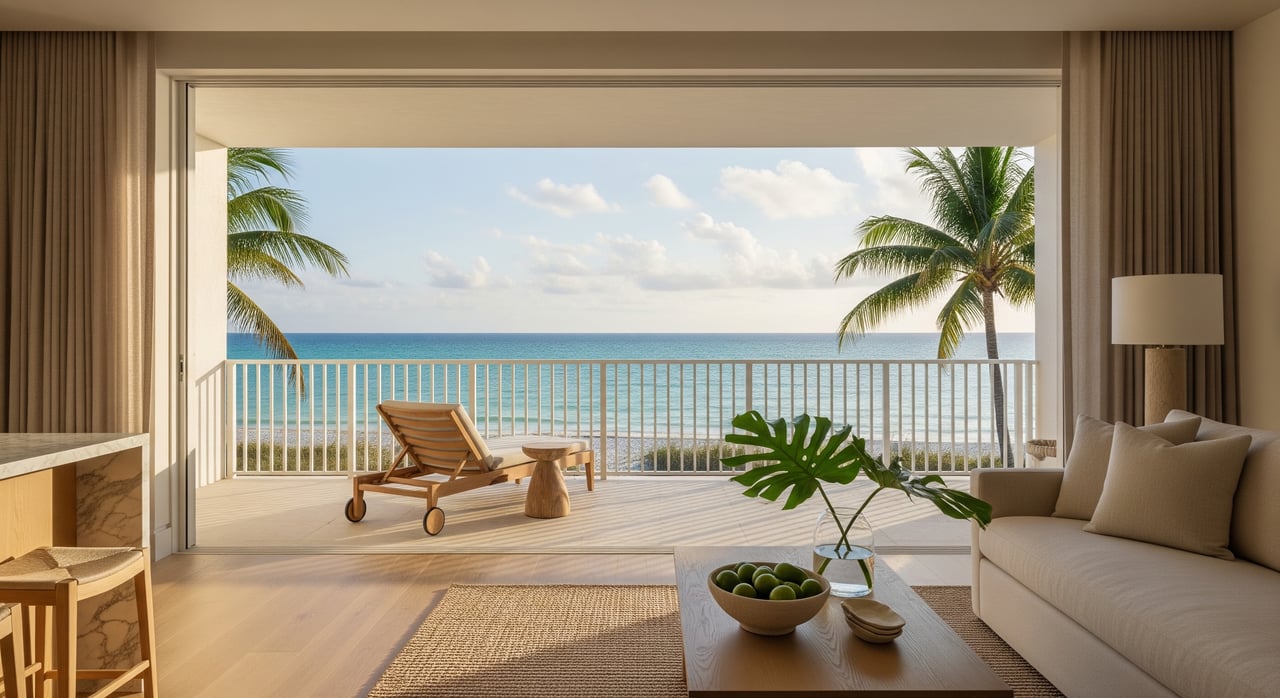
Dreaming of mornings that start with a beach walk and end with a Gulf sunset? If you are considering a Marco Island beach condo, you probably want effortless access to the sand with a low-maintenance routine. You also want clear answers on amenities, fees, insurance, and how condo life really feels season to season. This guide walks you through daily life, what costs to expect, how associations work, and how beachfront condos compare with other local options. Let’s dive in.
Marco Island setting and access
Marco Island sits on the Gulf of Mexico in Collier County. The beach-condo corridor lines the island’s Gulf-facing shoreline, putting you close to the water, island dining, and Old Marco Village. The island is compact, so most daily needs are a short walk or drive.
You access the island by causeway. Naples is about 30 to 40 minutes by car, depending on traffic. For flights, the nearest major airport is Southwest Florida International Airport in Fort Myers, usually a 40 to 70 minute drive depending on your starting point and traffic. Check flight options and logistics through the airport’s official site at the Southwest Florida International Airport.
Marco Island has a subtropical climate. Expect hot, humid summers and mild winters. Hurricane season runs June through November. Stay informed with guidance from the National Hurricane Center.
Daily life on the beach
Mornings often begin with a walk on the sand, shelling, or a swim. Many residents paddleboard, birdwatch, or take a quiet coffee on the balcony.
Daytime can be easygoing or active. You might sit by the pool, visit the fitness center, fish, or plan a quick trip to Naples. Some residents enjoy boating or nearby marinas for access to the water.
Evenings are for sunset views and simple dinners out. You will find relaxed social time in condo common areas, plus island restaurants near Old Marco Village and along the waterfront.
Seasonal rhythms shape the pace. Winter is the busy season with more social events and higher occupancy. Summers tend to be quieter with a slower pace of life.
Amenities you can expect
Beachfront condos commonly offer features that make daily life simple and social. Look for:
- Direct or semi-private beach access and beachfront decks
- Heated pools, hot tubs, and sun decks
- Fitness centers and saunas
- Covered and guest parking, secure entry, and on-site security
- Community rooms, lounges, and activity programs
- Elevators and ADA access in mid and high rises
- Onsite management in some buildings
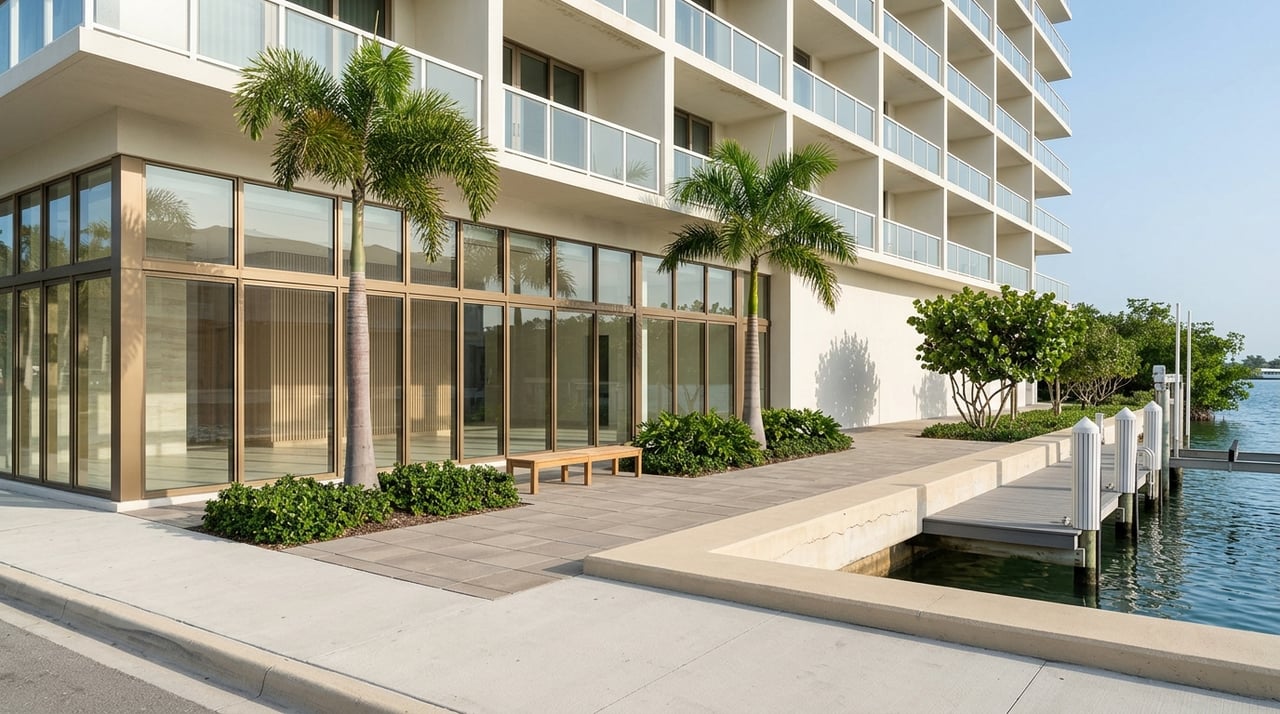
- Boat slips at select complexes or access to nearby marinas
Convenience and walkability
Most beachfront buildings are close to restaurants, small shops, and a grocery store. For big-box shopping, specialized medical care, or wider dining, you will likely head to Naples or the mainland. The island’s compact layout means short drives for most errands.
Costs to plan for
Understanding your total monthly and annual cost is key. The specifics vary by building, age, amenities, and reserves.
- HOA or condo association fees. These cover building insurance on the master policy, exterior and common-area maintenance, landscaping, and often water, sewer, basic cable or internet, and reserves. On beachfront high rises, fees can range from a few hundred dollars to over $1,000 per month.
- Property taxes. Collier County assesses taxes based on value, and beachfront locations often carry higher assessments.
- Utilities. Electricity can rise in the warm months. Some associations include water, sewer, and garbage.
- Insurance. You will need an HO-6 policy for your interior and personal property. Review your association’s master policy and deductibles to size the coverage you need.
- Special assessments. Older buildings or those taking on large projects may levy assessments for roofs, exteriors, elevators, or waterproofing. Review reserve studies and recent meeting minutes for upcoming projects.
Insurance and storm risk
Beachfront condos sit in areas with higher flood and wind exposure. Lenders commonly require flood insurance if the property lies in a high-risk flood zone.
- Flood zones. Check the exact flood zone and elevation for any unit or building using the FEMA Flood Map Service Center.
- Flood insurance. Learn about coverage options and costs through the National Flood Insurance Program’s consumer site, FloodSmart. Availability and pricing can vary based on maps and building data.
- Wind and hurricane coverage. Many master policies carry significant wind deductibles. Owners typically add HO-6 coverage for interiors and loss assessments. Confirm whether shutters or impact windows are the owner’s or association’s responsibility and how storm preparations are handled.
- Preparedness. Review building plans for storm season, evacuation procedures, and re-entry. You can track active guidance at the National Hurricane Center.
Association rules and due diligence
Florida’s Condominium Act sets the framework for condo ownership and disclosures. Learn your rights and key documents in Florida Statutes, Chapter 718.
Before you commit, request and review:
- Condominium Declaration, Bylaws, and rules
- Current budget, reserve study, and insurance certificates with deductibles
- Association meeting minutes from the past 6 to 12 months
- Details on any pending litigation or special assessments
- Rental and occupancy rules, including minimum lease terms
A real estate attorney who knows Florida condos can help you interpret documents and timelines.
Building condition and inspections
Coastal buildings face conditions from salt air, humidity, and wind. Common items to review include:
- Exterior stucco, balconies, railings, and waterproofing
- Roof age and maintenance records
- Elevators and modernization plans
- HVAC systems exposed to salt air, often on rooftops
- Pool and spa equipment
Some older beachfront buildings in Florida may be subject to inspection or recertification programs. Check Collier County resources for current requirements and building records. You can start with official information at Collier County Government.
Condos vs other Marco Island homes
Beach-condo living offers a turnkey routine with resort-like amenities and Gulf views. Still, there are tradeoffs to weigh.
Advantages
- Direct beach access and sunset views
- Pool, fitness, security, and maintenance handled by the association
- Built-in social life, especially in high season
- Rental potential in buildings that allow leasing
Tradeoffs
- Less privacy and possible neighbor noise
- Rules on rentals, pets, and renovations
- Higher ongoing costs for HOA fees and insurance
- Potential for special assessments, especially in older buildings
- Greater exposure to storm surge and flood risk than inland homes
How other options compare
- Single-family beachfront homes offer privacy but require more maintenance and often higher insurance. You handle seawalls, roofs, and exterior upkeep.
- Inland single-family homes and villas reduce beach-related risks and may have lower insurance costs. You give up direct beach access and views.
- Non-beach condos on the island can balance convenience with lower fees and exposure. They do not deliver the on-the-sand lifestyle.
Buyer checklist
Use this quick list to stay organized as you evaluate buildings and units:
- Request the association’s current budget, reserve study, and financials
- Obtain the resale certificate and read bylaws, rules, and rental policies
- Confirm what the master insurance covers and your required HO-6 and deductibles
- Check FEMA flood maps, property elevation, and flood zone details
- Ask about recent or planned special assessments and any litigation
- Review meeting minutes for capital projects and timelines
- Hire a home inspector experienced with coastal condos; consider engineering review for older buildings
- Verify parking, guest parking, pet rules, and storage
- Confirm hurricane shutters or impact windows and who is responsible for them
- If investing, confirm rental demand and the association’s leasing rules
Work with a local specialist
If you want a seamless beachfront search with clear answers on fees, insurance, and rental rules, a local specialist can save you time. Live Marco Island offers concierge guidance, curated tours, and support for remote or in-person buyers. Ready to explore condos that fit your lifestyle and budget? Schedule a free consultation with Jennifer Drake.
FAQs
What counts as “beachfront” on Marco Island?
- It usually means a building located on the Gulf-facing shoreline with direct or association-managed beach access. Some properties sit next to public access points.
How walkable are beach condos to dining and shops?
- Many complexes are a short walk or quick drive to Old Marco Village and island restaurants, with larger shopping and services available in Naples.
What do HOA fees cover in beachfront buildings?
- Fees commonly include exterior maintenance, common-area upkeep, landscaping, the master insurance policy, and often water, sewer, basic cable or internet, plus reserves.
Is flood insurance required for a beach condo?
- If the unit is in a high-risk flood zone and you use a mortgage, lenders typically require flood insurance. Check your zone at the FEMA Flood Map Service Center.
What rental rules should I expect in a condo?
- Rules vary by association. Some require minimum lease terms and limit short stays. Always review bylaws and the association’s rental policy before you buy.
How are hurricanes handled by associations?
- Most buildings have preparedness plans and master policies with wind deductibles. Owners often need HO-6 coverage and may be responsible for shutters or impact windows.
How can I check for special assessments or litigation?
- Review recent meeting minutes, budgets, and disclosures, and ask the association directly. Pending litigation or major projects can affect costs and timelines.
Are there boat slips at beachfront condos?
- Some complexes offer slips, while others rely on nearby marinas. Confirm availability, fees, and waitlists with the association.