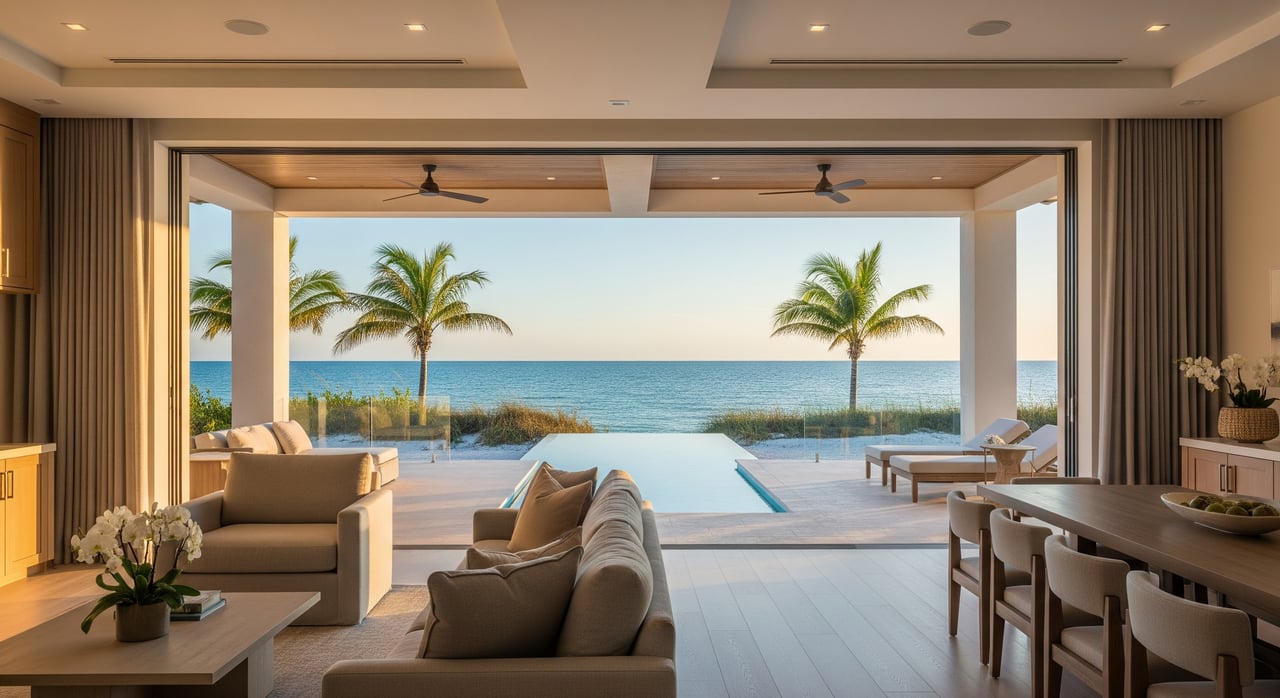
Chasing that picture-perfect Gulf sunset from your sofa? If you are shopping Marco Island’s beach condos, the floor plan and orientation you choose will shape what you see every day. You want wide water, glowing sky, and the right balance of light and privacy without surprises. This guide breaks down the best floor plans for Gulf views on Marco Island, what “Gulf-facing” really means here, and how to compare listings with confidence. Let’s dive in.
What “Gulf view” means on Marco Island
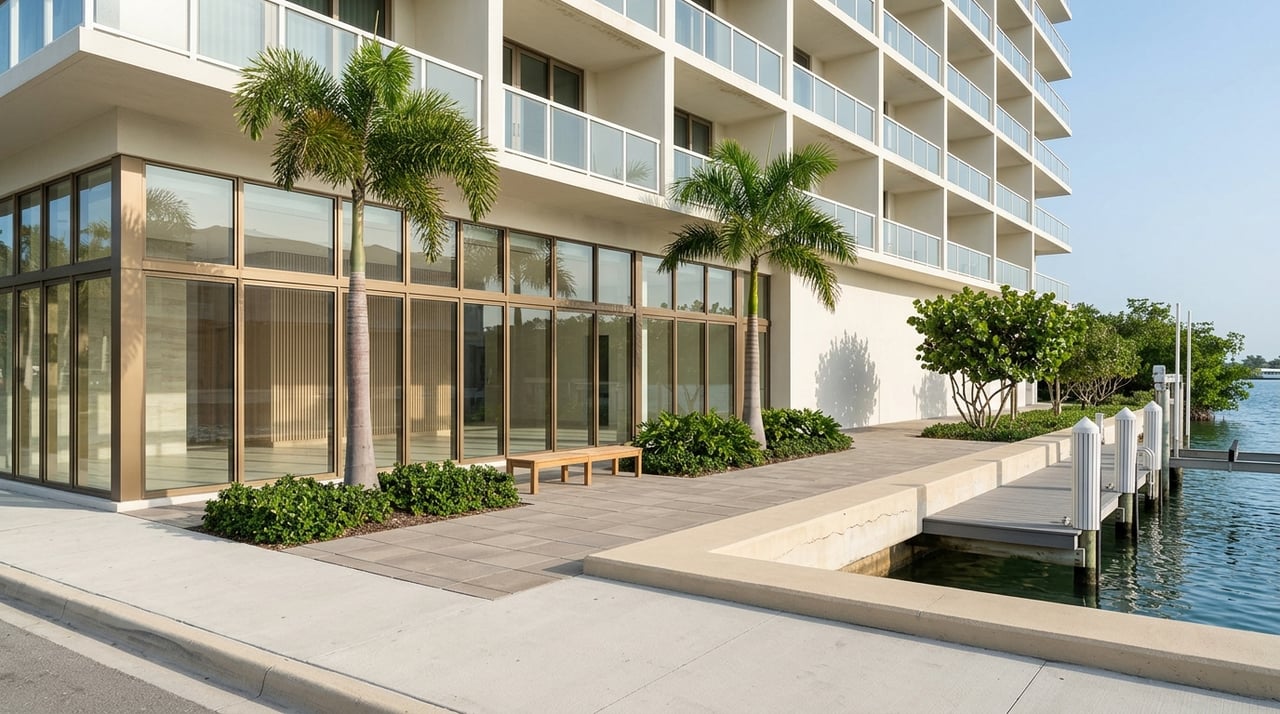
Marco Island’s shoreline curves, so a “west-facing” unit in one building can aim more northwest or southwest in another. That curve changes your sunset angle and how much open water fills your windows. Many beachfront towers also sit at different setbacks from the sand, which affects near-field sightlines from lower floors.
You also have natural dunes, planted vegetation, and occasional public walkways between some buildings and the beach. Those features can soften or partially block views at lower elevations. Always confirm orientation and sightlines for any specific unit rather than relying on a simple listing label.
Floor plans that maximize Gulf views
Corner stacks
Corner units span two exterior walls, often with windows or sliders on both sides. You gain a wider field of view, sometimes more than 180 degrees when paired with a wrap balcony. You also get more natural light and cross-breezes.
The tradeoff is price and weather exposure. Corners usually command a premium and have more glass to protect and maintain. If views top your list, they are strong candidates.
Mid-stack single exposure
Standard stacks face one primary direction. When that façade looks straight to the Gulf, you get direct water and classic sunsets with fewer variables. If the orientation is angled or a neighboring building sits in the line of sight, views can become partial.
Single-exposure units often cost less than corner stacks and are easier to control for heat and wind. They are a smart value when the exposure aligns well with the Gulf.
Split-bedroom plans
In split layouts, the primary suite sits on one side of the living area and guest rooms on the other. If the primary bedroom is on the Gulf side, you enjoy private morning and evening views separate from the main living space. Guests also get privacy without sacrificing the living room outlook.
These plans work well for personal use and short-term rental scenarios where separation matters.
Wrap-around lanais
Wrap balconies extend along two sides of a unit. They amplify sightlines, let you shift between sunrise and sunset angles, and add usable outdoor living. You might enjoy coffee on the lighter morning side and cocktails on the evening side.
Expect higher maintenance for railings and surfaces, plus potential HOA rules about furniture and enclosures. If outdoor living and panoramic water are priorities, wraps are excellent.
Floor-to-ceiling glass and enclosed lanais
Floor-to-ceiling glazing maximizes visual impact but can increase heat gain and glare. Glass-enclosed lanais help block wind and make outdoor areas usable more months of the year. They may change the open-air feel and can be governed by HOA rules.
More glass typically means more stringent hurricane protection needs and higher HVAC loads. Confirm what the building permits and how protection is handled.
Building and site factors to check
Floor level and stack position
Higher floors usually clear dunes and low structures, widening your horizon view. Very high levels can experience stronger winds and more glare. Lower floors may feel closer to the beach but can see more vegetation, walkways, or people in the foreground.
Setbacks, neighbors, and obstructions
Buildings set closer to the beach tend to have cleaner water views from lower floors. Where towers cluster, a neighbor can narrow or block a slice of the view. Corner stacks or higher floors can sometimes see over those obstacles.
Shoreline curvature and orientation
Because the coast bends, a northwest-facing balcony in one complex may still capture bold sunsets while another leans more south with softer afternoon light. Map each building’s axis to confirm how that exposure translates to real water.
Dunes, walkways, and privacy
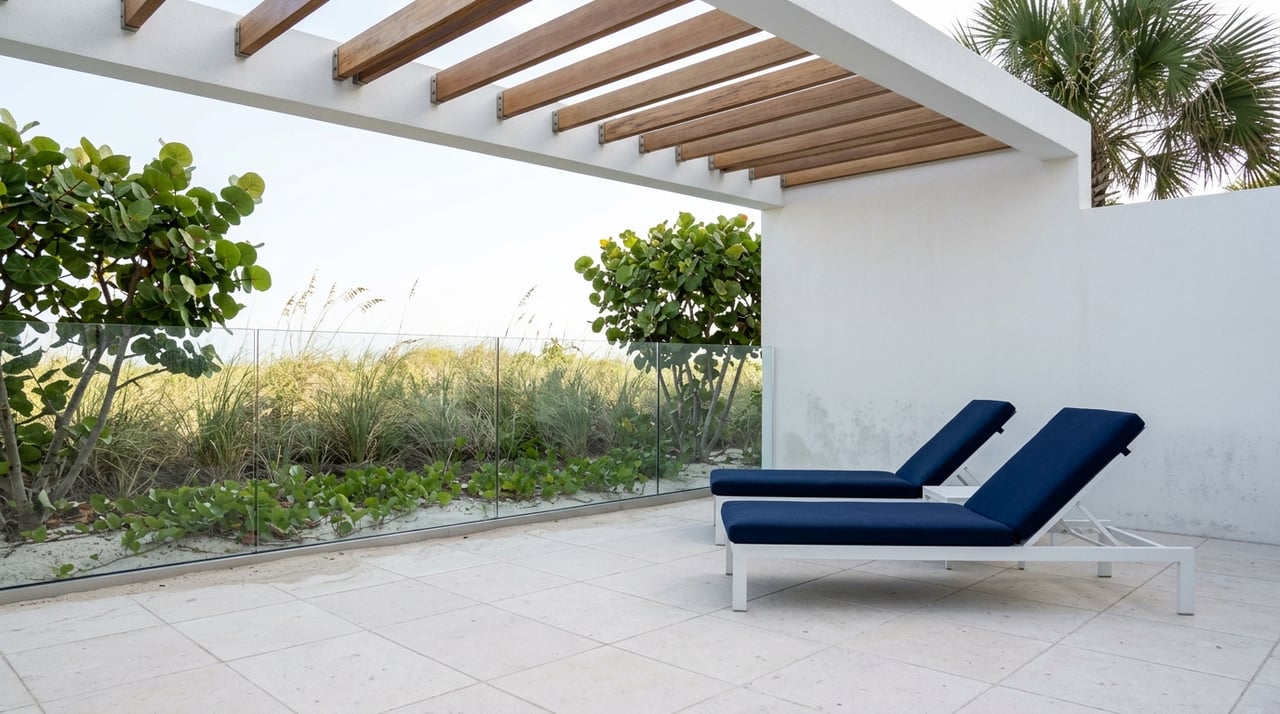
Natural dunes and planted areas protect the shoreline and add beauty, yet they can soften views from lower levels. Public walkways and beach access points bring activity that adds energy for some and reduces privacy for others.
Glare and overall view quality
View quality is not only about open water. Consider sun angle and potential reflections off neighboring glass. Sunset light can sparkle on the Gulf or bounce into your living room. Plan to evaluate a unit at different times of day.
Practical tips for second-home buyers
Sun and seasonal light
If you want signature Gulf sunsets, west or southwest exposures deliver. East-facing exposures favor sunrise over inland waters and canals. If you want both, prioritize corner units or wraps so you can shift with the sun.
Wind, storms, and protection
More exterior glass increases exposure to windborne debris. Ask about impact windows versus shutters and whether lanais can be enclosed. Building and HOA rules will guide what you can do.
Maintenance and long-term costs
More balcony and more glass often means more maintenance and potential assessments. Salt air affects railings and hardware. Review building maintenance records and factor HOA dues into your value calculation.
Privacy, noise, and rental potential
Large terraces and wrap lanais can reduce privacy from nearby balconies. For rentals, panoramic corners and direct Gulf exposures often command higher rates, but they also require careful cleaning and upkeep.
Insurance and elevation
Flood zone and elevation influence insurance costs and resale. Lower elevations with Gulf views can carry higher flood premiums. Request elevation certificates and recent policy examples when available.
HOA and building rules
Confirm what is allowed for lanai enclosures, grills, furniture, short-term rentals, and exterior modifications. These rules affect how you live in and present your space.
How to search and compare by exposure
Step-by-step search strategy
- Use a map-based MLS search to draw polygons around the beachfront stretch you prefer. Filter with keywords such as gulf view, beachfront, corner unit, wrap lanai, or high floor.
- When possible, filter by floor level to target units that clear dunes and low roofs.
- Use satellite and street-view imagery to verify each building’s axis and which façades face the water.
- Ask for building stack diagrams or floor-plan PDFs to confirm room-by-room orientation.
- If sunsets matter, preview photos taken at different times of day and seasons.
Questions to ask the listing agent
- What is the exact compass orientation for the living room and primary bedroom?
- Which stack number is the unit, and what direction does that stack face?
- What is the floor height, and are there known obstructions to the south, north, west, or east?
- Is the lanai original and open, or enclosed, and are enclosures permitted by the HOA?
- What hurricane protection is installed and when was it last updated?
- What is the flood zone, is an elevation certificate available, and what are typical premiums?
- Are there any planned nearby projects that could affect views?
Gulf view scoring checklist
Score each item from 1 to 5 (5 is most desirable), then total your points to compare units.
- Orientation to Gulf: Does the main living area face the water?
- Field of view: Single, wide, or panoramic coverage?
- Foreground obstructions: Dunes, walkways, parking, or buildings?
- Height advantage: Does the floor clear nearby objects and vegetation?
- Balcony type: Wrap lanai, standard balcony, or enclosed lanai?
- Sun preference: Aligned with sunrise, sunset, or both?
- Privacy: How private is the balcony from neighbors and public areas?
- Maintenance/protection: Amount of glass vs. hurricane protection needs and HOA limits
- Insurance/flood risk: Flood zone and elevation considerations
- Price premium/resale: Value relative to exposure within the building
Use your total score to rank 2 to 4 finalists before you tour or request a virtual walkthrough.
Putting it together
The best Gulf views on Marco Island come from the right mix of orientation, floor level, and balcony design. Corner stacks and wrap-around lanais deliver the widest panoramas, while well-oriented single-exposure units can be a great value. Confirm each unit’s true exposure, sightlines, and rules before you fall in love with a listing photo.
If you want a guided shortlist matched to your view priorities, connect with a local specialist who knows each building’s stacks and setbacks. For a curated search, private previews, and on-the-ground advice, reach out to Jennifer Drake.
FAQs
What exposure is best for Marco Island sunsets?
- West and southwest exposures typically capture the boldest Gulf sunsets; corner or wrap-lanai units let you shift angles as light changes.
Do higher floors always have better Gulf views on Marco Island?
- Higher floors usually clear dunes and low roofs, but very high levels can add wind and glare; the best choice balances height with your comfort and privacy.
Are corner units worth the premium for Gulf views?
- Corner stacks often deliver wider panoramas, more natural light, and multiple vantage points, which many buyers and renters value enough to justify the premium.
How do wrap-around lanais impact daily living?
- Wraps add outdoor space and flexible sun exposure for sunrise coffee and sunset dining, but they require more maintenance and may have HOA furniture or enclosure rules.
What should I ask to verify a listing’s Gulf view?
- Request the stack number, exact compass orientation, floor height, recent time-of-day photos, and any HOA or building restrictions on lanais and hurricane protection.