Ever see “water-direct” in a Marco Island listing and wonder what it really means for your boat and your lifestyle? You are not alone. These are common local terms with practical differences that affect your daily plans, budget, and resale strategy. In this guide, you’ll learn how water-direct compares with water-indirect, how to estimate your run-time to the Gulf, and what to know about docks, seawalls, lifts, permits, and resale. Let’s dive in.
What “water-direct” means
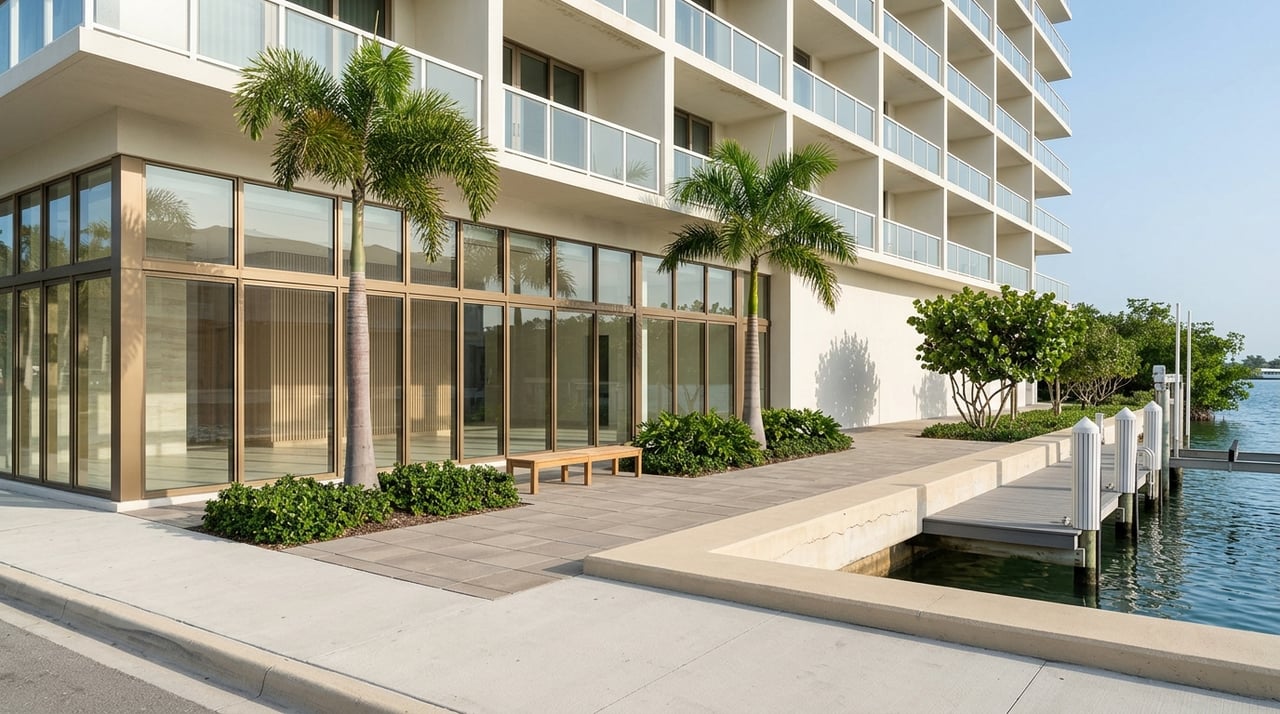
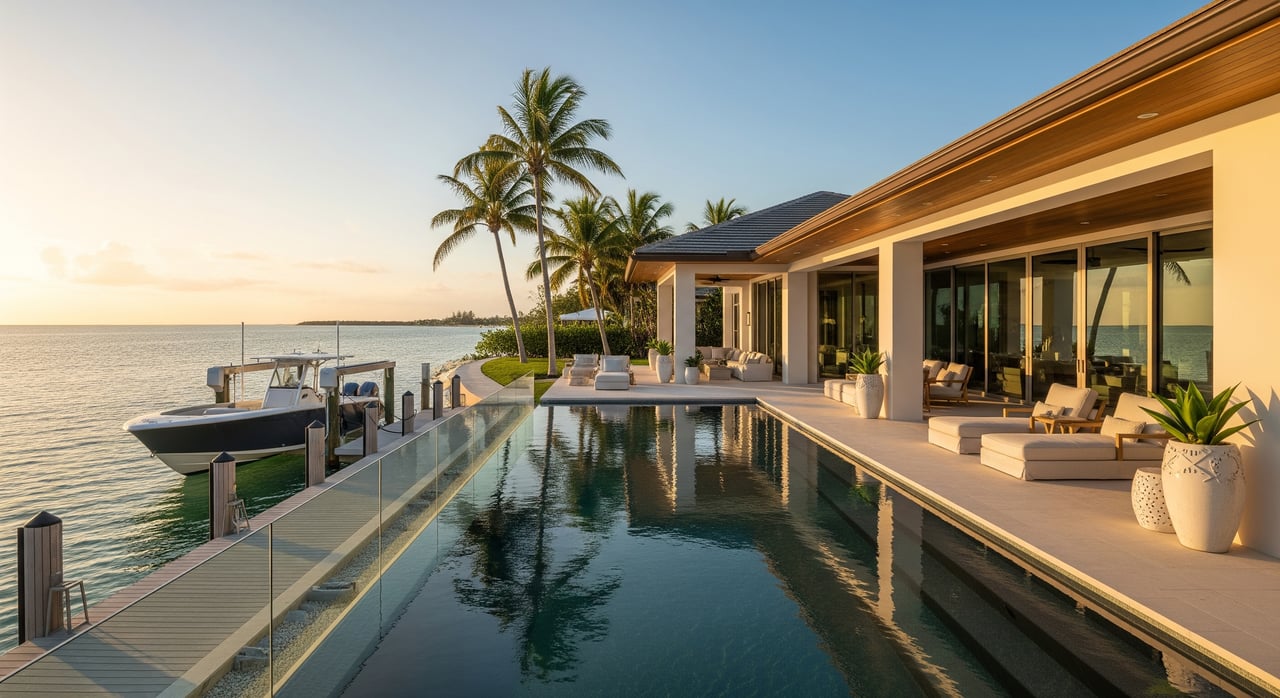
On Marco Island, a property described as water-direct typically gives you a clear path from your private dock to open Gulf waters without low fixed bridges or lock systems. In practice, that means a dock on a canal that leads quickly to the Marco River and then to Gordon Pass. Buyers expect short channel transit times, no bridge height limits, and enough depth for their intended boat at normal tides.
These are market terms, not legal categories. Always confirm the physical facts at the property, including depth at the dock, bridge clearances along the route, and the measured distance to Gordon Pass.
What “water-indirect” means
A water-indirect property may sit on a canal or have water views, but boating access is more conditional. You might travel a longer, winding route, pass under low bridges, or rely on shared or association docks. Depth at the dock can be more variable, and narrow channels can slow your transit.
While water-indirect still offers the waterfront lifestyle, you should plan for longer run-times, potential size limits for your boat, and different maintenance and permitting considerations.
Estimate your Gulf run-time
Your time to the Gulf is a function of distance, speed, slow zones, and conditions at Gordon Pass. Use this simple approach when you evaluate a property.
Map the route
- Measure straight-line nautical miles from the dock to Gordon Pass or your open-water waypoint.
- Use marine charts, Google Earth with the ruler set to nautical miles, or other reliable mapping tools.
- Note any idle zones and zigzagging canals that add time beyond a straight line.
Pick a realistic speed
- Pontoons and cruisers: plan for roughly 6 to 12 knots in comfortable conditions.
- Typical center consoles and family boats: 15 to 25 knots outside idle zones.
- Reduce speed in canals, shallow stretches, and traffic. Build in time for maneuvering and waiting.
Do the math and add buffer
- Time in hours equals distance in nautical miles divided by speed in knots.
- Example: if the dock is 2 NM from Gordon Pass, at 20 knots the run is about 6 minutes, at 10 knots it is about 12 minutes.
- Add a buffer of 10 to 30 percent for idle zones, turns, traffic, and current.
Tides and conditions to factor
Southwest Florida tides are modest, often around a foot or two, but currents at Gordon Pass can be significant during tidal exchange and after storms. Tidal state can affect depth at your dock, slow shallow sections, and change the feel of the pass. Wind-driven chop outside the pass can make short crossings uncomfortable for smaller boats. These variables influence both safety and actual run-time.
Docks, seawalls, and lifts: costs and care
Waterfront structures add value and enjoyment, but they carry budgets, permits, and maintenance that you should plan for early.
What drives cost
- Dock type and materials, such as fixed wood or composite, and whether any floating components are needed.
- Lift type and capacity, from small personal lifts to larger hydraulic systems, and whether the lift is fixed or floating.
- Seawall condition, materials, and tiebacks. Seawall repair or replacement is a major capital item.
- Water depth and seabed conditions that can require dredging or a longer access channel to reach sufficient depth.
- Insurance and flood zone requirements that influence design and cost.
Permits you may need
- New docks, seawall work, and lifts typically require local permits from Collier County or the City of Marco Island.
- Projects affecting submerged lands or the shoreline can require reviews by state agencies and possibly the U.S. Army Corps of Engineers.
- If an association controls waterways or docks, check recorded rules and easements before planning work.
- Environmental constraints, such as mangroves or seagrass, can limit dredging or the footprint of improvements.
Long-term maintenance
- Lift servicing for motors, cables, and controls.
- Dock upkeep, including pressure washing, hardware replacement, and anti-slip care.
- Seawall inspections, with eventual repair or replacement over multi-decade lifecycles.
- Periodic paint, anti-fouling, and storm-readiness tasks.
Before you buy, obtain multiple written quotes from local marine contractors, ask for a seawall inspection, and confirm that existing structures were properly permitted or are legally grandfathered.
Resale impacts of access type
Water-direct homes often command a premium because they appeal to active boaters who want quick, unobstructed Gulf access. Water-indirect homes can deliver views and a waterfront feel at a lower price point but can attract a narrower buyer pool. Known repair needs for docks or seawalls, or high insurance costs, can influence buyer interest and days on market.
Key value drivers include depth at the dock, stable water access year to year, newer permitted docks and lifts, flood zone status and elevation, and the presence of low bridges on the route to the Gulf. Sellers highlight terms like “direct Gulf access,” “no bridges,” and “deep water dock.” As a buyer, ask for permits, recent depth soundings, surveys showing water lines, and maintenance records.
Due diligence checklist for buyers
- Depth and navigability
- Recent sounding at mean low tide or MLLW showing depth at the dock.
- A charted route to Gordon Pass and any known shoaling along the way.
- Structural documentation
- Copies of permits for the dock, seawall, and boat lift.
- A marine specialist’s inspection of the seawall and dock.
- Legal and administrative
- Title review for riparian rights, easements, and any association rules on docks and slips.
- Details on shared channel or dock maintenance agreements.
- Regulatory and environmental
- Status with Collier County and state agencies regarding permits, conditions, or open violations.
- Any recent or planned dredging for Gordon Pass and how that may affect long-term access.
- Insurance and flood risk
- Preliminary quotes that include dock and lift replacement, plus flood zone implications.
- Boating practice
- Speak with local marina operators or the harbormaster about current conditions and vessel suitability.
- If possible, visit by boat at both low and high tides to test maneuvering room and run-time.
Which option fits your lifestyle
Choose water-direct if quick Gulf access, no bridge limits, and flexible boat size are priorities. Choose water-indirect if you want views and value, you are comfortable with longer transits, or your vessel is smaller or more speed-tolerant. Either way, confirm depth, bridges, and distance to Gordon Pass, and budget for waterfront maintenance over time.
If you want a local, document-first approach to evaluate specific homes and routes, let’s talk. Schedule a free consultation with Jennifer Drake to compare properties, review permits and soundings, and plan a smooth waterfront purchase.
FAQs
What is the difference between water-direct and water-indirect on Marco Island
- Water-direct offers an unobstructed route to the Gulf with no low fixed bridges and typically shorter run-times, while water-indirect involves longer routes, possible bridge limits, or shared docks.
How long does it take to reach the Gulf from a water-direct property
- Many water-direct routes take only minutes in fair conditions, but always calculate distance to Gordon Pass, use realistic speeds, and add a 10 to 30 percent buffer for slow zones and current.
Do tides affect access at my dock on Marco Island
- Yes, even modest local tides can change depth at the dock and influence currents at Gordon Pass, which can affect safe transit and actual run-time.
Can I add a boat lift to a water-indirect property
- Often yes, but you will need permits, sufficient depth, and compliance with any association rules and environmental constraints; verify feasibility before you buy.
What permits are required for a new seawall or dock in Collier County
- New docks, seawall work, and lifts typically require local permits, and projects affecting submerged lands or shorelines may involve state and federal reviews.
How does water-direct status affect resale value on Marco Island
- Water-direct homes often earn a premium and sell faster to active boaters, while water-indirect homes can trade at lower prices and appeal to buyers comfortable with longer or limited access.