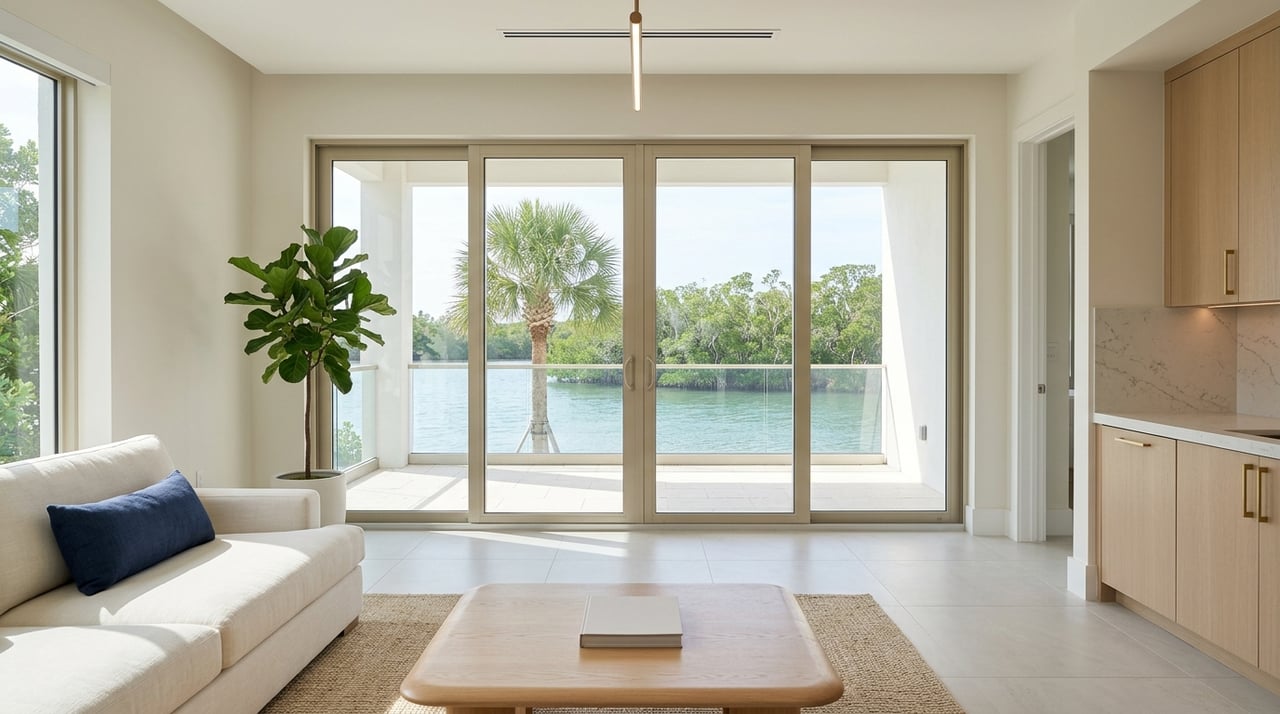
Buying a home on Marco Island from a distance can feel exciting right up until you realize how much a photo can hide. A beautiful listing might show off the view, but it may not tell you how the light hits the living room at 4 p.m., whether the dock works for your boat, or how far the nearest beach access really is. This checklist will help you use a virtual tour the right way, so you can spot what matters, ask smarter questions, and make a more confident buying decision. Let’s dive in.
Why virtual tours matter on Marco Island
Marco Island is not a typical inland market. It is a barrier island with six miles of beach, more than 100 miles of waterways, and weather patterns that bring strong sun, humidity, and most rainfall from June through October.
That means a remote buyer should look beyond finishes and staging. On Marco Island, sunlight, water exposure, drainage, and storm-related wear can affect how a property lives day to day and how much upkeep it may need over time.
Start with the right tour format
A good virtual tour should do more than highlight the best angles. It should help you understand how the home actually feels, how it flows, and whether it fits your lifestyle.
Ask for an unedited walk-through from the entry to the main living areas and outdoor spaces. That gives you a better sense of layout, proportions, and how you would move through the property in real life.
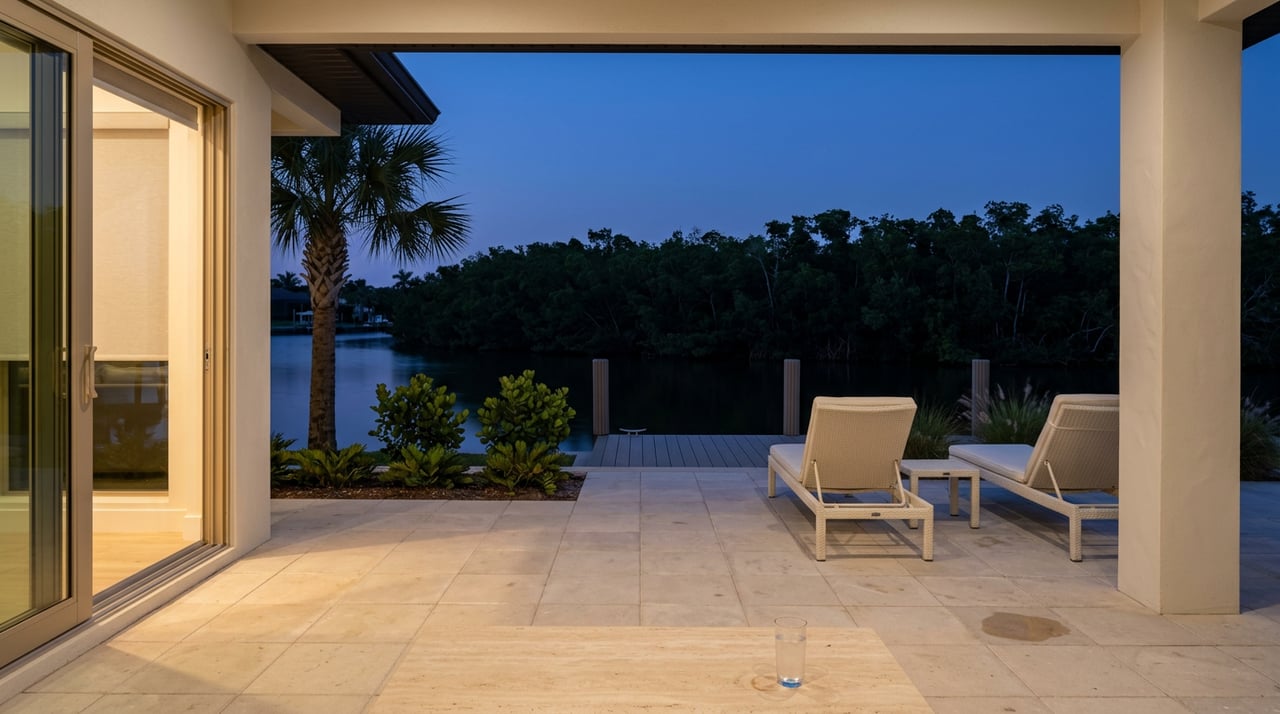
If possible, ask for separate clips taken at different times of day. On Marco Island, changing light can dramatically affect glare, heat, and the usefulness of a lanai or main living room.
Interior checklist for Marco Island buyers
Check light and orientation
Ask to see the same rooms in the morning, at midday, and in the late afternoon. This helps you understand whether the home gets soft natural light, strong west-facing sun, glare off the water, or welcome shade.
Have the camera pause at major windows and sliders. A wide-angle lens can make a view seem bigger or clearer than what you would actually see standing in the room.
Also confirm whether the view is direct, partial, or already interrupted by roofs, landscaping, or neighboring buildings. That distinction matters when you are buying for lifestyle, resale, or rental appeal.
Study the floor plan in motion
Photos often make rooms feel larger and layouts feel more open than they are. During the tour, pay attention to bedroom size, closet depth, hallway width, pantry storage, and where the laundry area sits in relation to bedrooms and living spaces.
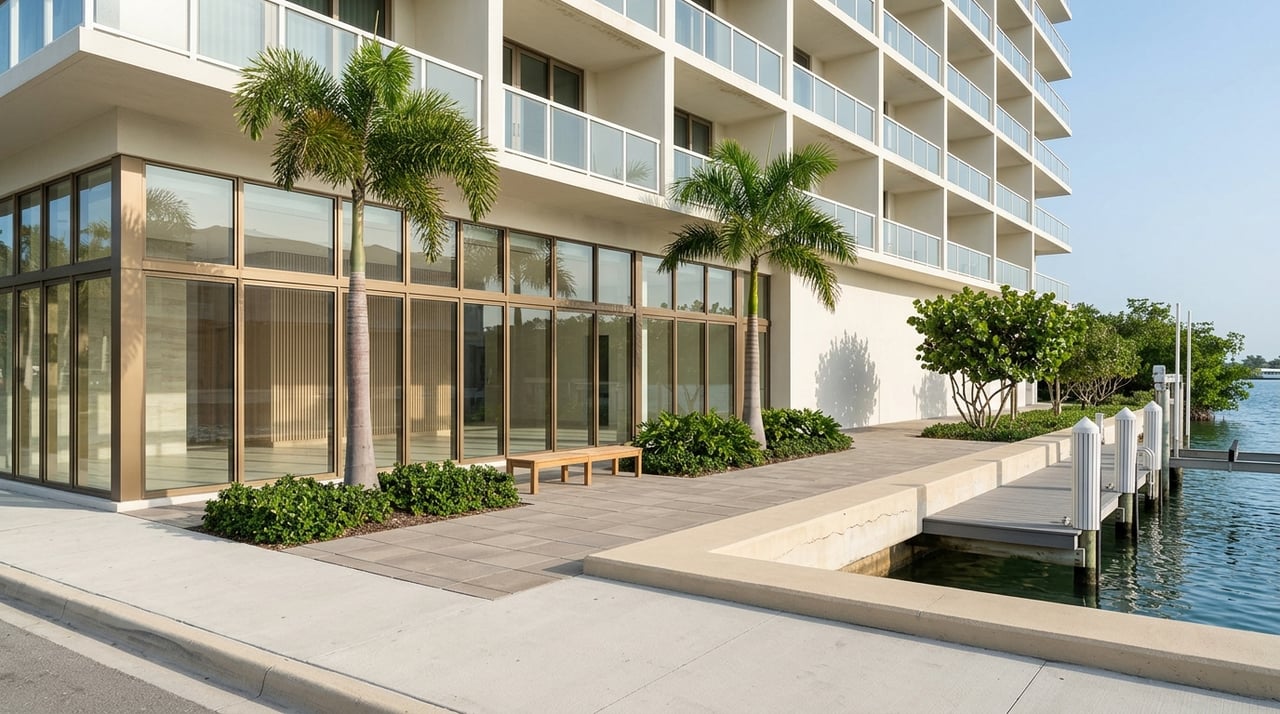
For condo purchases, ask to see the full path from parking or garage to the front door. You will want to know how elevator access works, where storage areas are located, and how convenient daily arrival and departure will feel.
Look for maintenance clues
On Marco Island, moisture and salt air can leave subtle signs before major issues are obvious. Ask for slow close-ups of ceilings, baseboards, window frames, slider tracks, and the cabinetry under sinks.
Watch for water staining, peeling paint, rust, corrosion, condensation, soft drywall, or patchwork repairs. These details can tell you far more about long-term condition than a staged living room ever will.
Ask to see HVAC closets, laundry spaces, utility areas, and the inside of cabinets and closets. These are the spots that often reveal how carefully a property has been maintained.
Exterior checklist for island living
Judge outdoor usability
Outdoor living is a big part of Marco Island life, so the tour should show more than a quick pan of the lanai or pool deck. Ask whether the balcony, patio, or pool area feels usable in sun, wind, and rain, not just in perfect weather.
A narrow balcony or exposed lanai may photograph well but function very differently in humid or breezy months. You want to know whether the space works for the way you plan to live.
Inspect waterfront features closely
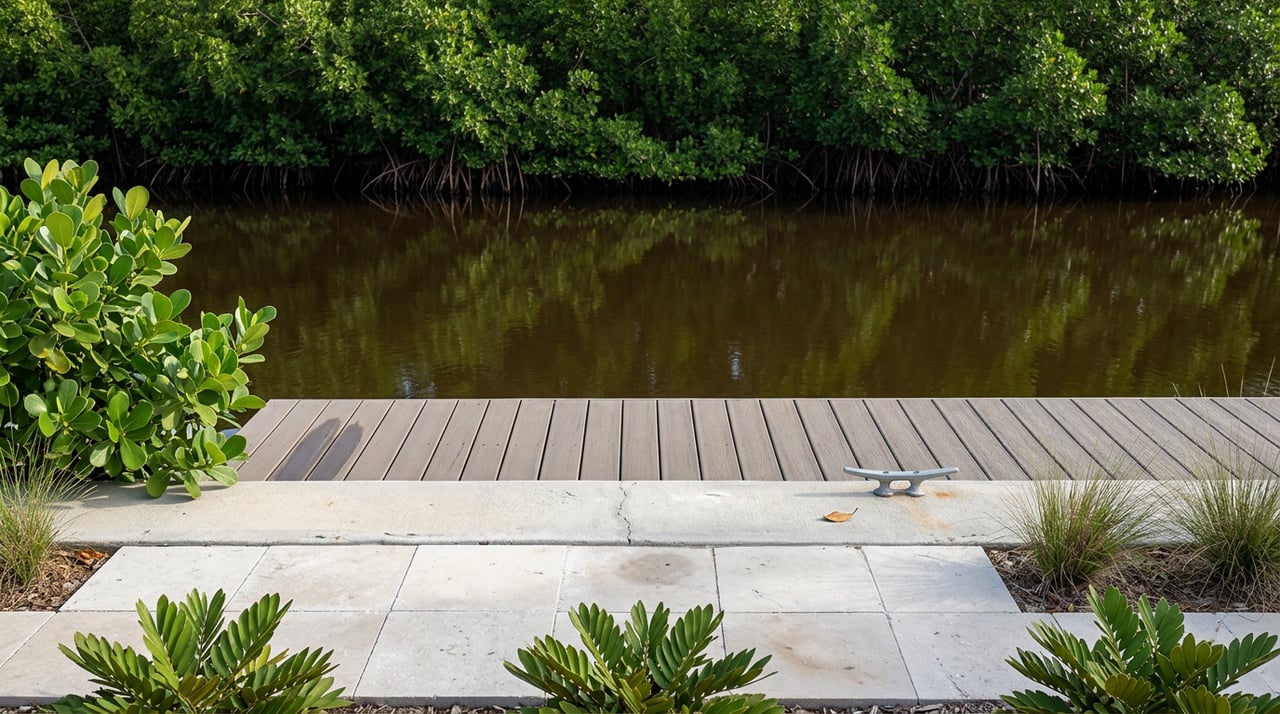
If the property is waterfront, request close-up video of the dock, boat lift, seawall, tie-off points, and surrounding concrete. Look for corrosion, settlement, cracks, or patched areas that may need further review.
Marco Island boating access also depends on bridge clearance. The city notes that many boaters must pass under one, two, or even three bridges before reaching the Marco River or the Gulf, so ask how many bridges are on the route and whether your intended boat will fit.
Ask about dunes, mangroves, and shoreline limits
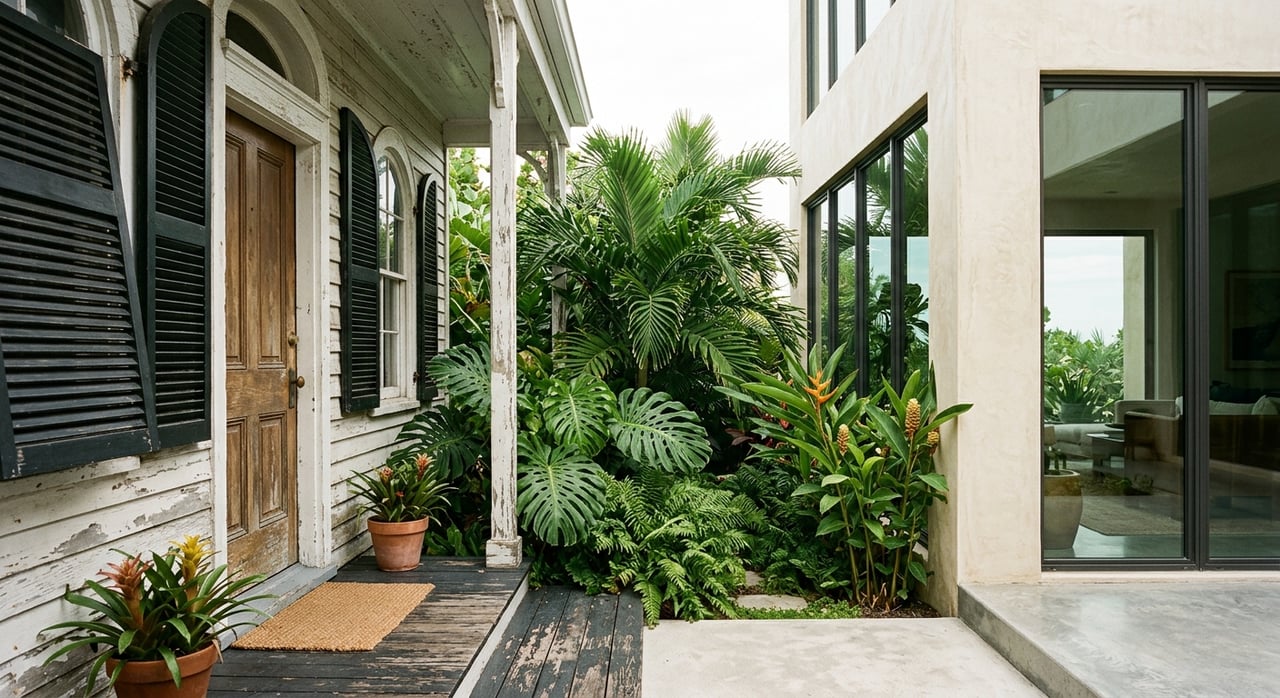
If the home is near dunes, beach walkovers, or mangrove edges, ask whether there are restrictions on landscaping or shoreline changes. Local beach code protects dunes and other beach features, so those details matter if you are thinking about future exterior updates.
Verify beach access, not just beach proximity
On Marco Island, “near the beach” can mean very different things. Beach access is not uniform, and each access point comes with its own setup for parking, facilities, and rules.
Ask for the exact nearest access point by name. South Marco Beach has 70 parking spaces and restroom access, while Tigertail Beach is county-owned and offers substantial parking, restrooms, concessions, a bath house, and boardwalks through a mangrove-lined parking area.
You should also ask whether nearby parking is resident-only, permit-based, metered, or restricted on surrounding streets and swales. That can shape your day-to-day convenience, especially if you are buying a second home or hosting guests.
For homes near the beach, ask how exterior lighting and landscaping interact with sea-turtle season rules. The city notes nesting season and lighting restrictions from May 1 through October 31.
Check the street and surrounding area by video
A remote buyer should not rely only on interior footage. Ask for a slow drive-by of the immediate street, nearby intersections, and the main roads you would likely use most often.
This helps you see traffic patterns, parking pressure, and how the property sits within the surrounding area. If the home is near a park or recreation facility, ask about normal activity levels and event scheduling.
Marco Island also publishes a bike-path map with shared-use paths and in-road bike lanes. For buyers planning seasonal living or fewer car trips, neighborhood mobility can be an important part of the decision.
Condo and HOA documents matter as much as the tour
For condos and other association-governed properties, the documents can be just as important as the video itself. A polished tour may show the unit well, but the association records often tell you more about future costs, rules, and building condition.
Florida DBPR states that for condominiums and cooperatives three stories or higher, structural milestone inspections and Structural Integrity Reserve Studies are required. It also states that inspection reports and reserve studies must be available to potential purchasers.
DBPR also says that associations with 25 or more units must post key records online within 30 days of receiving or creating them. These records can include declarations, bylaws, rules, budgets, financial reports, bids, inspection reports, and the most recent reserve study.
Documents to request before you offer
- Declaration, bylaws, and rules
- Any rental or pet restrictions
- Current budget and reserve schedule
- Pending or recently approved special assessments
- Most recent inspection reports and reserve studies
- Association insurance summary, including wind and flood coverage where applicable
- Parking, storage, elevator, dock, slip, and amenity-use rules
Confirm flood and storm-readiness details
Flood risk should be checked by property address, not by neighborhood reputation. The official flood-hazard map source is FEMA’s Flood Map Service Center, and Collier County maintains flood-zone information and guidance for local properties.
Collier County also states that development within Special Flood Hazard Areas, including VE, AE, AH, and A zones, is reviewed by the county. During a virtual tour, ask for the flood zone, any available elevation information, and whether the property has had recent mitigation or drainage work.
Storm readiness also deserves direct questions. The City of Marco Island notes that mandatory evacuations are issued by the Collier County Commission in consultation with city officials, so remote buyers should understand how easily a home can be secured before a storm.
Ask about impact windows or shutters, backup power or generators, drainage, and the condition of docks and seawalls. These are practical details that can affect both peace of mind and ownership costs.
Questions to ask before making an offer
If you are buying from afar, your goal is to answer the biggest lifestyle and risk questions before you commit. Use this short list during or right after the tour.
- What will the main living space view actually look like day to day?
- Is the outdoor space comfortable and usable in sun, wind, or rain?
- What is the exact nearest beach access point, and how does parking work there?
- If the property is waterfront, can your boat clear the bridges to open water?
- What do the condo or HOA documents say about rentals, pets, parking, storage, and assessments?
- What flood-zone and mitigation details apply to this address?
- Are there pending repairs, reserve issues, or inspection concerns not obvious on video?
A smarter way to buy remotely on Marco Island
A virtual tour should help you do more than admire a property. It should help you verify the details that shape daily life on Marco Island, from light and layout to beach access, boating fit, flood exposure, and association health.
When you know what to ask and what to watch for, you can narrow your options faster and avoid expensive surprises. That is especially important in a place where waterfront location, weather exposure, and building rules can vary so much from one property to the next.
If you want local guidance that goes beyond listing photos, Jennifer Drake offers concierge-level support for remote buyers, including video tours, neighborhood insight, and a smoother path to finding the right Marco Island home.
FAQs
What should a Marco Island virtual home tour include?
- A strong Marco Island virtual tour should include an unedited walk-through, close-ups of maintenance areas, outdoor spaces, waterfront features if applicable, and video at different times of day to show light and glare.
Why does beach access matter when buying on Marco Island?
- Beach access matters because Marco Island access points are not all the same. Parking, facilities, and access rules can differ between locations like South Marco Beach and Tigertail Beach.
What should condo buyers request during a Marco Island virtual tour process?
- Condo buyers on Marco Island should request association documents, budgets, reserve information, inspection reports, insurance summaries, and rules covering rentals, pets, parking, storage, and amenities.
How can waterfront buyers evaluate a Marco Island property remotely?
- Waterfront buyers can evaluate a Marco Island property by asking for close-up video of the dock, lift, seawall, and tie-off areas, plus confirmation of bridge clearance to open water.
What flood questions should remote buyers ask about Marco Island homes?
- Remote buyers should ask for the property’s flood zone, any available elevation information, and details about drainage improvements or mitigation work tied to the specific address.