If you picture walkable living as a big downtown grid where everything is a few blocks away, Marco Island may surprise you. Here, walkability is real, but it shows up in smaller lifestyle pockets near the beach, shopping areas, and marina-front spots. If you are thinking about buying, selling, or simply choosing the right part of the island, understanding those pockets can help you match your address to your daily routine. Let’s dive in.
Walkability on Marco Island
Walkable living on Marco Island is not one continuous district. It is better described as a collection of amenity-rich areas where you can step out for beach time, dinner, errands, or a waterfront stroll without always getting in the car.
That setup fits the island’s layout. The City of Marco Island notes that the island has six miles of beaches, including a 3.5-mile crescent beach, and the most pedestrian-friendly areas tend to cluster around beach access points, shopping plazas, and marinas.
In daily life, that means your exact street and building matter. Two homes can both have a Marco Island address, but one may let you walk to dinner and the beach, while the other may still be better suited to driving for most outings.
The Beach Is a Big Part of It
On Marco Island, the beach is often the first layer of walkable living. For many buyers, being able to head out on foot for a morning beach walk or sunset is the main reason a location feels convenient.
Tigertail Beach access
Tigertail Beach offers one of the island’s most nature-focused experiences. The city describes it as about a ten-minute walk from the parking lot, with shelling, birding, rentals, and food and drink available at Tigertail Café.
If your version of walkability includes outdoor time more than shopping, this part of the island may feel especially appealing. It is less about an urban streetscape and more about having nature close to your front door.
Mid-Beach and South Beach access
City Mid-Beach Public Access is one of the clearest examples of a true on-foot beach connection. It is for pedestrian use only and includes bike racks, but no parking or facilities.
City South Beach Public Access, at the end of Winterberry Drive next to Crystal Shores, also reflects that same pattern. With a narrow walkway to the sand and no nearby parking, it supports a lifestyle built around walking or biking to the beach rather than driving up to it.
Residents’ Beach value
Residents’ Beach adds another layer for some owners and longer-term renters. Annual membership is available to owners of developed property and renters of at least one month on Marco Island.
For seasonal owners and second-home buyers, that can be part of the lifestyle appeal. It adds a resident-focused beach option that may shape how you think about convenience and daily routines.
The Main Walkable Pockets
A helpful way to understand Marco Island is to focus on its main walkable pockets. Visit Marco Island highlights three major retail areas: Marco Town Center, The Esplanade Shoppes, and Marco Walk Plaza.
Each one supports a different version of walkable living. One leans toward errands, one toward waterfront strolling, and one toward beach-area evenings.
South Collier and Marco Walk Plaza
If you want the strongest beach-resort walking environment, South Collier is the clearest fit. Marco Walk Plaza is described as a walkable setting with dining, shopping, and entertainment near the beach and resort area.
This pocket connects well with the South Beach side of island living. Nearby shops and restaurants listed by Visit Marco Island include La Tavola, 2Shea’s Salty Dog, Beach Daisy, and Shore Goods, which helps create a compact area where you can enjoy an easy dinner or casual outing on foot.
For buyers, this area often aligns with low-maintenance living close to the sand. Lodging and housing in this pocket include condo-style and resort-style options such as Marco Beach Ocean Suites and Marriott’s Crystal Shores, which points to the kind of product many seasonal owners and second-home buyers look for.
Smokehouse Bay and The Esplanade
If your idea of walkability includes both practical errands and a waterfront atmosphere, the Smokehouse Bay area stands out. Marco Town Center is described as the island’s main hub and is anchored by Publix, giving this pocket a more everyday convenience factor.
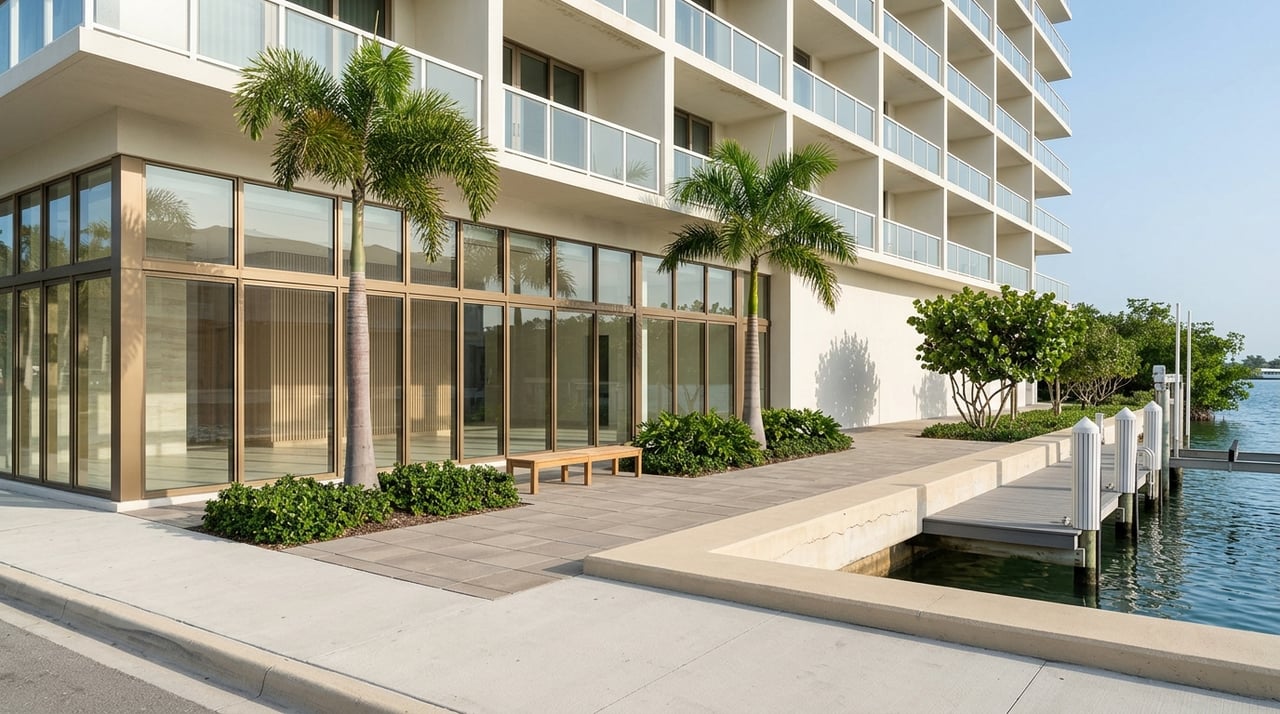
The Esplanade Shoppes adds a different feel. It includes nearly 50,000 square feet of retail, 72 waterfront residences, a 77-boat-slip marina, and more than 1,100 feet of marina frontage.
That combination makes this one of the island’s most mixed-use pockets. You get the ability to stroll along the water, dine nearby, and stay connected to daily needs in the same general area.
Olde Marco and Rose Marina
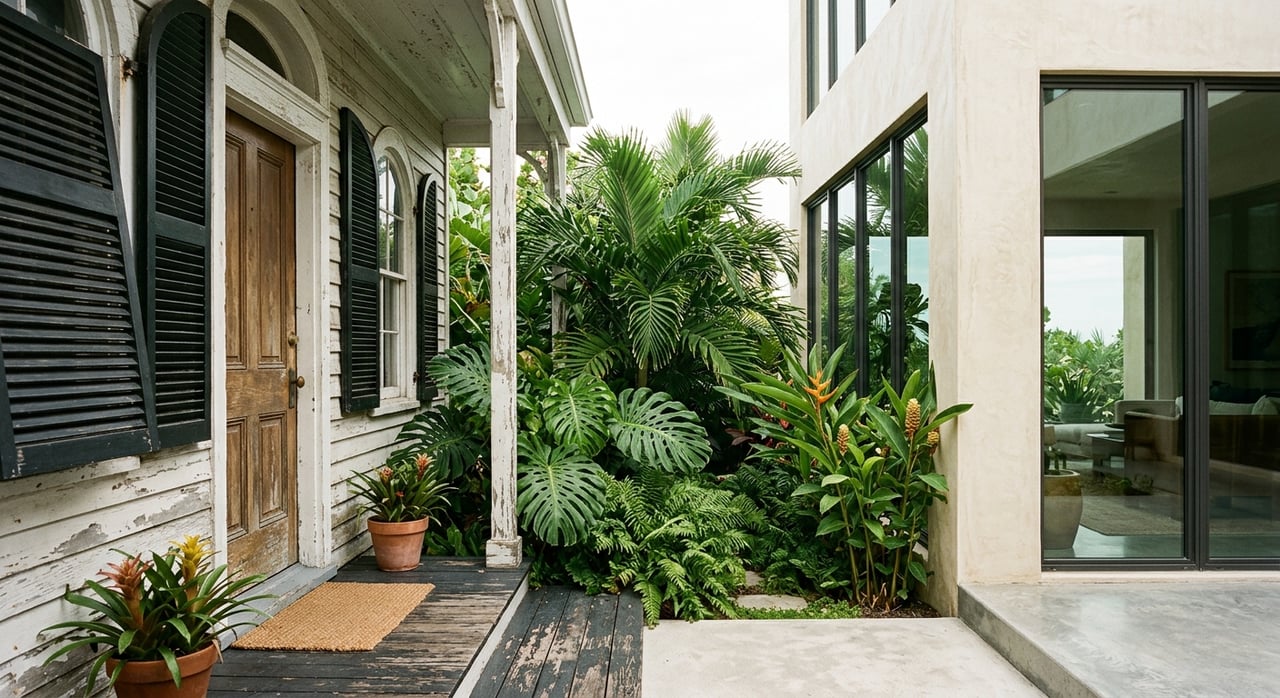
Olde Marco offers a different kind of walkable experience. It has a distinct Old Florida character, with a quieter north-end setting and strong ties to the waterfront.
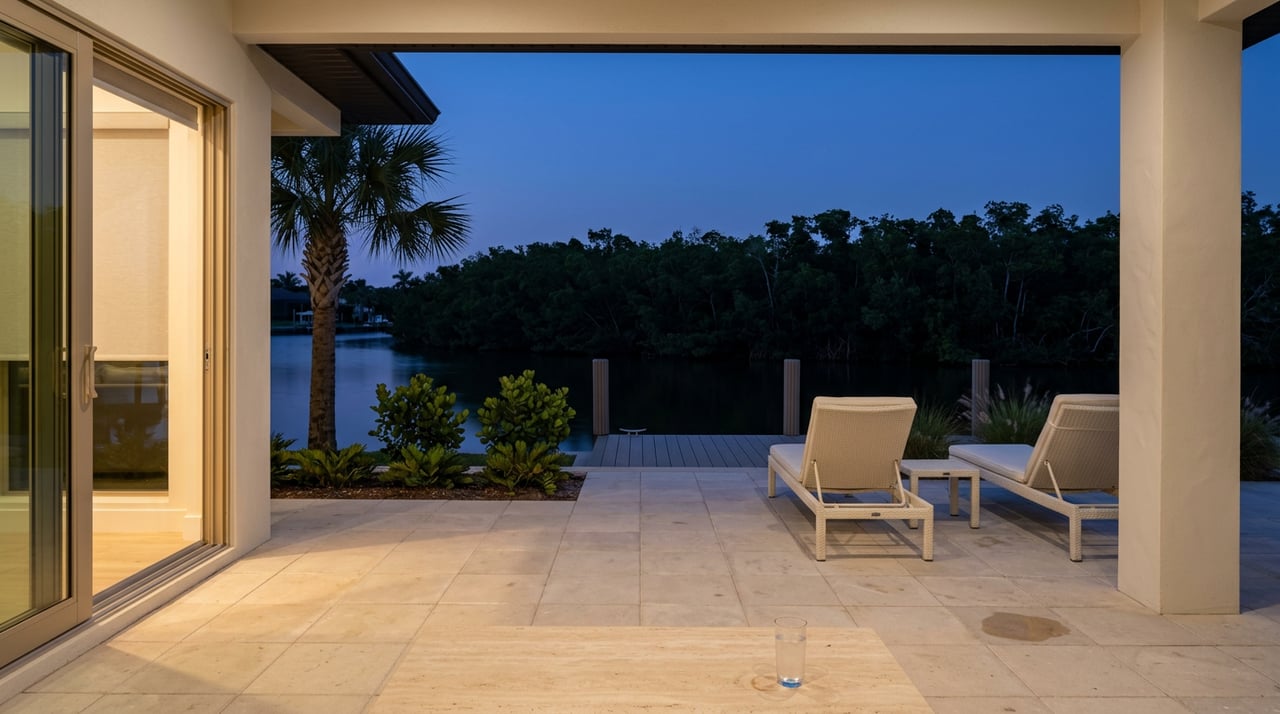
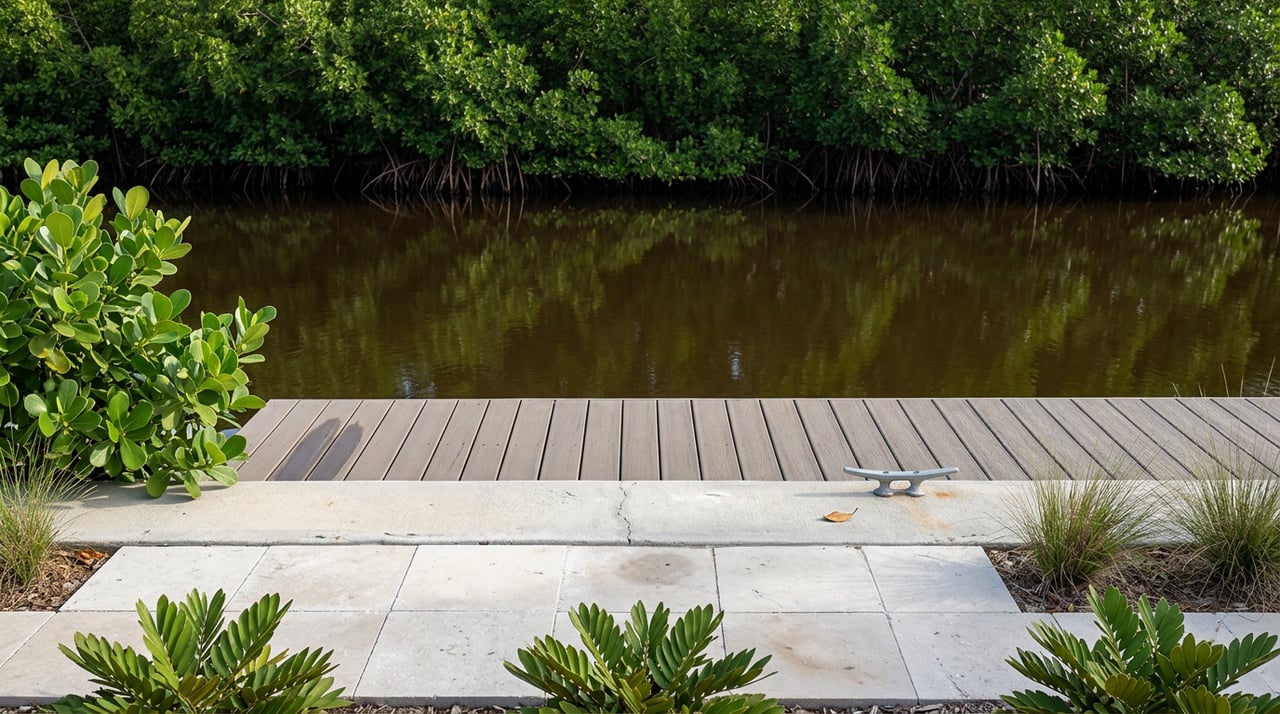
This area is especially meaningful if boating is part of your lifestyle. Rose Marina includes three acres of waterfront, along with boat rentals, slips, dockage, and charters, making this pocket appealing to buyers who want boating close to home.
The visible lodging and residential options here also support a lower-maintenance pattern. Olde Marco Island Inn & Suites and The Boat House Motel feature condo-style or small-scale waterfront accommodations, which help illustrate how this pocket lives day to day.
What Homes Tend to Look Like
Across Marco Island’s walkable pockets, the housing pattern tends to lean low-maintenance. In the south, you are more likely to see condo-hotels and resort-style suites. Around Smokehouse Bay, the mix includes waterfront residences tied to retail and marina uses. In Olde Marco, the feel shifts toward condo-style suites and smaller inn-style waterfront properties.
This matters if you are trying to match lifestyle with upkeep. Buyers looking for a lock-and-leave second home, a seasonal property, or a simpler coastal setup often find these pockets easier to picture in daily use.
The city’s demographics help explain that trend. Census figures show 59.3% of residents are 65 or older, 89.4% of housing is owner-occupied, and the median value of owner-occupied housing units is $896,300.
Who Walkable Marco Fits Best
Walkable living on Marco Island can work well for several types of buyers, but usually for different reasons. The key is to focus on what you want to do on foot most often.
Seasonal and second-home buyers
If you want a beach routine, easy dining access, and a lower-maintenance property, Marco’s walkable pockets can be a strong fit. This is especially true in the South Collier area, where the beach-resort environment is most defined.
For many seasonal owners, walkability here is less about replacing the car completely and more about simplifying the best parts of the day. You can picture a short beach walk, an easy dinner out, and fewer logistics overall.
Full-time residents
If you live on the island year-round, convenience may matter just as much as scenery. Marco Town Center and nearby connected pockets can offer a more practical everyday layer for errands and services.
Collier Area Transit serves Marco Island with fixed-route service, including Route 21 and the Marco Island Circulator, and it operates seven days a week. That does not make the island car-free, but it does add another option for getting around key destinations.
Boaters and waterfront buyers
If your lifestyle centers on the water, the Esplanade, Rose Marina, and Olde Marco areas deserve close attention. These pockets are shaped by marina frontage, slips, dockage, and boating access.
That can make walkability feel different in a good way. Instead of walking to a long list of stores, you may be walking to the marina, the waterfront promenade, or a nearby meal after time on the water.
The Tradeoff to Know
The biggest thing to understand is simple: Marco Island is pocket-walkable, not fully walkable in the way some mainland downtowns are. That distinction matters when you are choosing a property.
If you expect a dense, continuous pedestrian district, you may need to adjust your expectations. On Marco Island, lifestyle convenience often depends on being in the right building, on the right street, near the right access point or plaza.
That is why location guidance matters here. A local, address-level review can help you sort out whether a home supports beach walks, errand runs, marina access, or a mix of all three.
Getting Around Safely
Marco Island’s walkable character also includes a shared-use mindset. The city adopted a 2025 ordinance setting a 12 mph speed limit for bicycles, e-bikes, scooters, and micromobility devices on sidewalks and shared-use paths.
That slower pace reinforces what island living often feels like in practice. It is not built as a fully car-free environment, but it does support a calmer mix of walking, biking, transit, and short drives.
If you are trying to decide where to buy, the best question may not be, “Is Marco Island walkable?” A better question is, “Which part of Marco Island fits the way I want to live each day?” If you want help narrowing that down by beach access, boating convenience, or low-maintenance living, Jennifer Drake can help you find the right pocket for your goals.
FAQs
What does walkable living on Marco Island mean?
- Walkable living on Marco Island usually means living in a specific pocket near beach access, shopping, dining, or marinas rather than in one continuous pedestrian district.
Which part of Marco Island is most walkable for beach access?
- The South Collier area near Marco Walk Plaza is one of the clearest beach-oriented walking zones, with nearby dining, shopping, entertainment, and access to City South Beach Public Access.
Is Marco Island walkable for daily errands?
- Some parts are better for errands than others. Marco Town Center is described as the island’s main hub and is anchored by Publix, making it one of the stronger everyday convenience areas.
Which Marco Island area fits boaters best?
- Buyers focused on boating often look closely at the Esplanade, Rose Marina, and Olde Marco pockets because of their marina frontage, slips, dockage, and waterfront setting.
Are there transportation options on Marco Island besides driving?
- Yes. Collier Area Transit serves Marco Island with fixed-route service, including Route 21 and the Marco Island Circulator, and service operates seven days a week.
What types of homes are common in Marco Island’s walkable pockets?
- The visible housing pattern in these pockets tends to lean toward lower-maintenance options such as condos, resort-style suites, waterfront residences, and condo-style properties near marina or beach areas.